
Monologue from A Midsummer Night's Dream by William Shakespeare
Helena: “How happy some o'er other some can be”
Hermia and Lysander have just told Helena they are running away together. Alone, Helena, who loves Demetrius, decides to tell him, hoping he'll thank her for it.
- 1 min 30 sec
- Comic
- Woman, 18 to 28
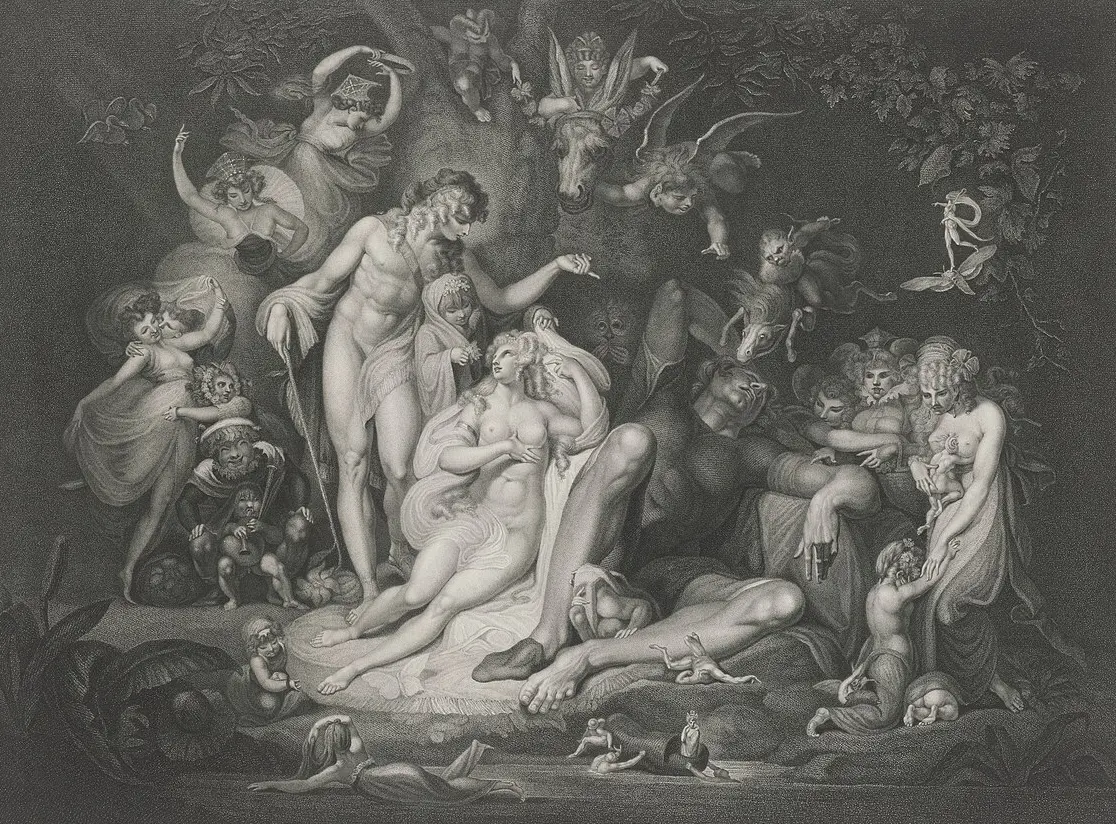

Act 1, Scene 1Athens. The palace of THESEUS
How happy some o'er other some can be!
Through Athens I am thought as fair as she.
But what of that? Demetrius thinks not so;
He will not know what all but he do know:
And as he errs, doting on Hermia's eyes,
So I, admiring of his qualities:
Things base and vile, folding no quantity,
Love can transpose to form and dignity:
Love looks not with the eyes, but with the mind;
And therefore is wing'd Cupid painted blind:
Nor hath Love's mind of any judgement taste;
Wings and no eyes figure unheedy haste:
And therefore is Love said to be a child,
Because in choice he is so oft beguiled.
As waggish boys in game themselves forswear,
So the boy Love is perjured every where:
For ere Demetrius look'd on Hermia's eyne,
He hail'd down oaths that he was only mine;
And when this hail some heat from Hermia felt,
So he dissolved, and showers of oaths did melt.
I will go tell him of fair Hermia's flight:
Then to the wood will he to-morrow night
Pursue her; and for this intelligence
If I have thanks, it is a dear expense:
But herein mean I to enrich my pain,
To have his sight thither and back again.
More monologues for women
 Viola: “I left no ring with her”Twelfth Night · 1 min 30 sec · Comic
 Juliet: “Gallop apace, you fiery-footed steeds”Romeo and Juliet · 1 min 45 sec · Dramatic
- Juliet: “The clock struck nine when I did send the nurse”Romeo and Juliet · 1 min · Comic
 Lady Macbeth: “The raven himself is hoarse”Macbeth · 1 min · Dramatic