
Monologue from The Two Gentlemen of Verona by William Shakespeare
Launce: “When a man's servant shall play the cur with him”
Launce tells the audience how his dog Crab disgraced himself at the Duke's dinner, and how Launce took the blame for him.
- 2 min 45 sec
- Comic
- Man, 18 to 40
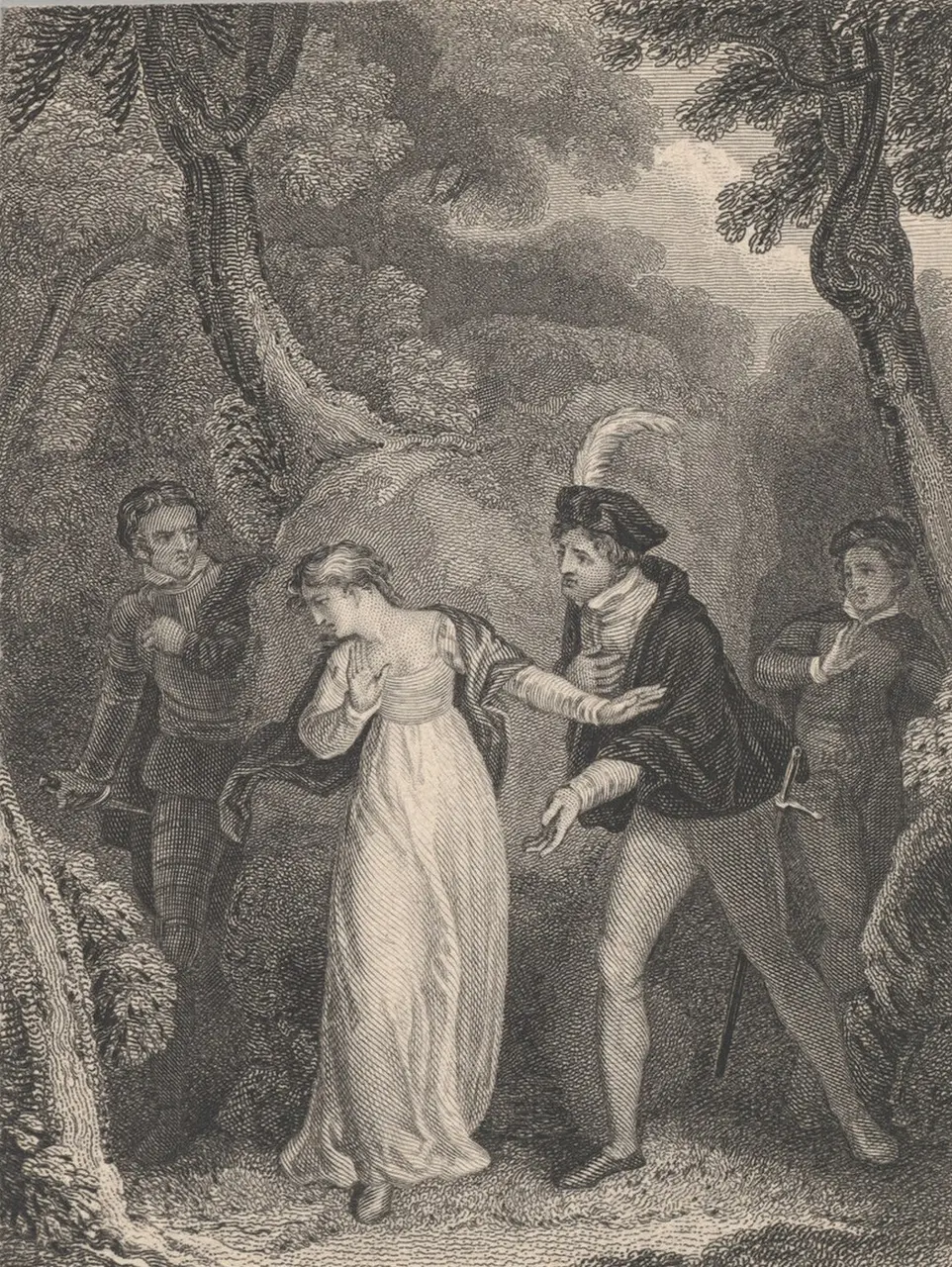

Act 4, Scene 4The same
When a man's servant shall play the cur with him,
look you, it goes hard: one that I brought up of a
puppy; one that I saved from drowning, when three or
four of his blind brothers and sisters went to it.
I have taught him, even as one would say precisely,
'thus I would teach a dog.' I was sent to deliver
him as a present to Mistress Silvia from my master;
and I came no sooner into the dining-chamber but he
steps me to her trencher and steals her capon's leg:
O, 'tis a foul thing when a cur cannot keep himself
in all companies! I would have, as one should say,
one that takes upon him to be a dog indeed, to be,
as it were, a dog at all things. If I had not had
more wit than he, to take a fault upon me that he did,
I think verily he had been hanged for't; sure as I
live, he had suffered for't; you shall judge. He
thrusts me himself into the company of three or four
gentlemanlike dogs under the duke's table: he had
not been there--bless the mark!--a pissing while, but
all the chamber smelt him. 'Out with the dog!' says
one: 'What cur is that?' says another: 'Whip him
out' says the third: 'Hang him up' says the duke.
I, having been acquainted with the smell before,
knew it was Crab, and goes me to the fellow that
whips the dogs: 'Friend,' quoth I, 'you mean to whip
the dog?' 'Ay, marry, do I,' quoth he. 'You do him
the more wrong,' quoth I; ''twas I did the thing you
wot of.' He makes me no more ado, but whips me out
of the chamber. How many masters would do this for
his servant? Nay, I'll be sworn, I have sat in the
stocks for puddings he hath stolen, otherwise he had
been executed; I have stood on the pillory for geese
he hath killed, otherwise he had suffered for't.
Thou thinkest not of this now. Nay, I remember the
trick you served me when I took my leave of Madam
Silvia: did not I bid thee still mark me and do as I
do? when didst thou see me heave up my leg and make
water against a gentlewoman's farthingale? didst
thou ever see me do such a trick?
More monologues for men
 Hamlet: “O, what a rogue and peasant slave am I!”Hamlet · 3 min 15 sec · Dramatic
- Hamlet: “To be, or not to be”Hamlet · 2 min · Dramatic
 Romeo: “But, soft! what light through yonder window breaks?”Romeo and Juliet · 1 min 30 sec · Dramatic
- Mercutio: “O, then, I see Queen Mab hath been with you”Romeo and Juliet · 2 min 15 sec · Comic