
Duologue from The Duchess of Malfi by John Webster
The Duchess and Antonio: “The misery of us that are born great!”
The widowed Duchess proposes to her steward, Antonio.
- 5 min 45 sec
- Dramatic
- Duchess: Woman, 25 to 40
- Antonio: Man, 25 to 40
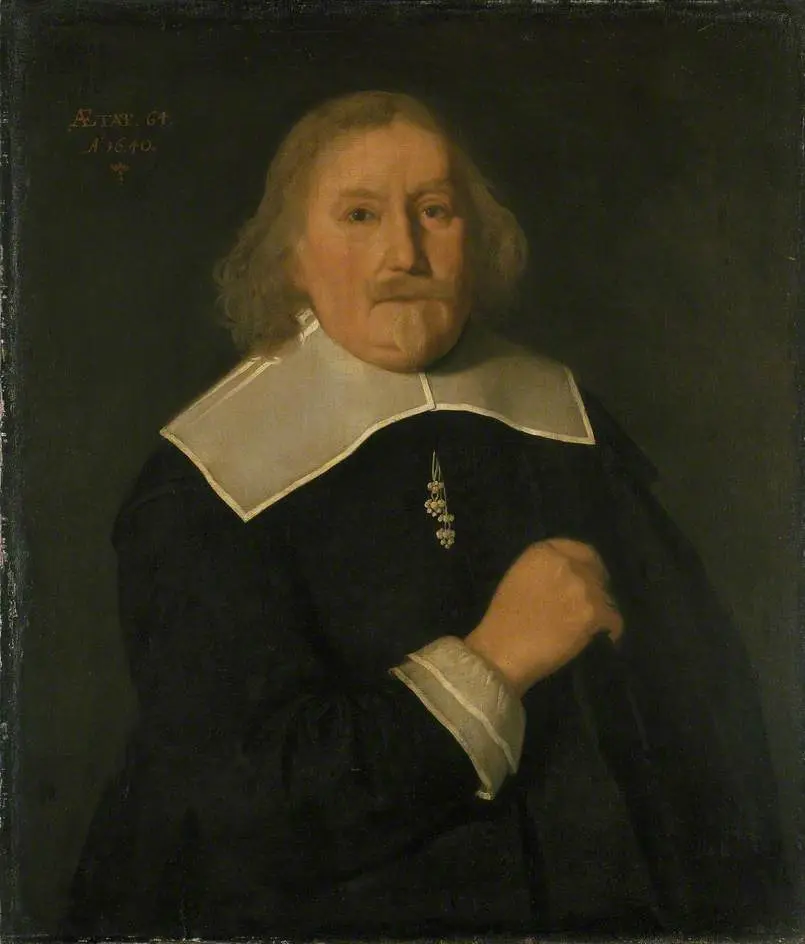

Act 1, Scene 3Malfi. Gallery in the Duchess’ palace.
O, you are
An upright treasurer: but you mistook;
For when I said I meant to make inquiry
What’s laid up for tomorrow, I did mean
What’s laid up yonder for me.
Where?
In heaven.
I am making my will (as ’tis fit princes should,
In perfect memory), and, I pray, sir, tell me,
Were not one better make it smiling, thus,
Than in deep groans and terrible ghastly looks,
As if the gifts we parted with procur’d
That violent distraction?
O, much better.
If I had a husband now, this care were quit:
But I intend to make you overseer.
What good deed shall we first remember? Say.
Begin with that first good deed began i’ the world
After man’s creation, the sacrament of marriage;
I’d have you first provide for a good husband;
Give him all.
All!
Yes, your excellent self.
In a winding-sheet?
In a couple.
Saint Winifred, that were a strange will!
’Twere stranger if there were no will in you
To marry again.
What do you think of marriage?
I take’t, as those that deny purgatory,
It locally contains or heaven or hell;
There’s no third place in’t.
How do you affect it?
My banishment, feeding my melancholy,
Would often reason thus.
Pray, let’s hear it.
Say a man never marry, nor have children,
What takes that from him? Only the bare name
Of being a father, or the weak delight
To see the little wanton ride a-cock-horse
Upon a painted stick, or hear him chatter
Like a taught starling.
Fie, fie, what’s all this?
One of your eyes is bloodshot; use my ring to’t.
They say ’tis very sovereign. ’Twas my wedding-ring,
And I did vow never to part with it
But to my second husband.
You have parted with it now.
Yes, to help your eyesight.
You have made me stark blind.
How?
There is a saucy and ambitious devil
Is dancing in this circle.
Remove him.
How?
There needs small conjuration, when your finger
May do it: thus. Is it fit?
[She puts the ring upon his finger: he kneels]
What said you?
Sir,
This goodly roof of yours is too low built;
I cannot stand upright in’t nor discourse,
Without I raise it higher. Raise yourself;
Or, if you please, my hand to help you: so. [Raises him]
Ambition, madam, is a great man’s madness,
That is not kept in chains and close-pent rooms,
But in fair lightsome lodgings, and is girt
With the wild noise of prattling visitants,
Which makes it lunatic beyond all cure.
Conceive not I am so stupid but I aim
Whereto your favours tend: but he’s a fool
That, being a-cold, would thrust his hands i’ the fire
To warm them.
So, now the ground’s broke,
You may discover what a wealthy mine
I make your lord of.
O my unworthiness!
You were ill to sell yourself:
This dark’ning of your worth is not like that
Which tradesmen use i’ the city; their false lights
Are to rid bad wares off: and I must tell you,
If you will know where breathes a complete man
(I speak it without flattery), turn your eyes,
And progress through yourself.
Were there nor heaven nor hell,
I should be honest: I have long serv’d virtue,
And ne’er ta’en wages of her.
Now she pays it.
The misery of us that are born great!
We are forc’d to woo, because none dare woo us;
And as a tyrant doubles with his words,
And fearfully equivocates, so we
Are forc’d to express our violent passions
In riddles and in dreams, and leave the path
Of simple virtue, which was never made
To seem the thing it is not. Go, go brag
You have left me heartless; mine is in your bosom:
I hope ’twill multiply love there. You do tremble:
Make not your heart so dead a piece of flesh,
To fear more than to love me. Sir, be confident:
What is’t distracts you? This is flesh and blood, sir;
’Tis not the figure cut in alabaster
Kneels at my husband’s tomb. Awake, awake, man!
I do here put off all vain ceremony,
And only do appear to you a young widow
That claims you for her husband, and, like a widow,
I use but half a blush in’t.
Truth speak for me;
I will remain the constant sanctuary
Of your good name.
I thank you, gentle love:
And ’cause you shall not come to me in debt,
Being now my steward, here upon your lips
I sign your Quietus est. This you should have begg’d now.
I have seen children oft eat sweetmeats thus,
As fearful to devour them too soon.
But for your brothers?
Do not think of them:
All discord without this circumference
Is only to be pitied, and not fear’d:
Yet, should they know it, time will easily
Scatter the tempest.
More duologues for a woman and a man
 Romeo and Juliet: “Thou know'st the mask of night is on my face”Romeo and Juliet · 3 min 15 sec · Dramatic
 Beatrice and Benedick: “Kill Claudio”Much Ado About Nothing · 4 min 15 sec · Comic
 Orsino and Viola: “She never told her love”Twelfth Night · 2 min 45 sec · Dramatic
 Macbeth and Lady Macbeth: “We will proceed no further in this business”Macbeth · 3 min 15 sec · Dramatic