
Monologue from The Seagull by Anton Chekhov
Nina: “I am a sea-gull—no—no, I am an actress”
Two years after leaving home to act and to follow Trigorin, Nina comes back on a stormy night to Treplieff, who still loves her. She tells him what has become of her, and what she still believes in.
- 2 min 15 sec
- Dramatic
- Woman, 18 to 25
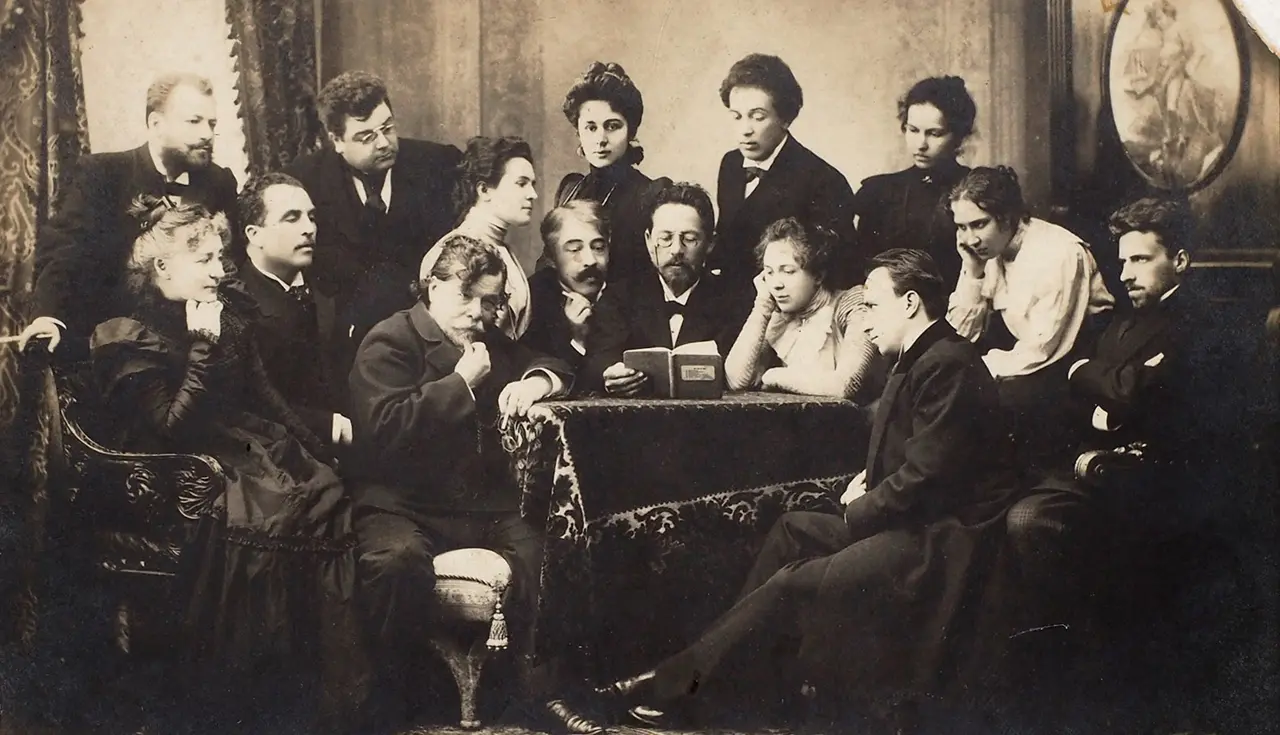

Act 4
Why do you say that you have kissed the ground I walked on? You should kill me rather. [She bends over the table] I am so tired. If I could only rest--rest. [She raises her head] I am a sea-gull--no--no, I am an actress. [She hears ARKADINA and TRIGORIN laughing in the distance, runs to the door on the left and looks through the keyhole] He is there too. [She goes back to TREPLIEFF] Ah, well--no matter. He does not believe in the theatre; he used to laugh at my dreams, so that little by little I became down-hearted and ceased to believe in it too. Then came all the cares of love, the continual anxiety about my little one, so that I soon grew trivial and spiritless, and played my parts without meaning. I never knew what to do with my hands, and I could not walk properly or control my voice. You cannot imagine the state of mind of one who knows as he goes through a play how terribly badly he is acting. I am a sea-gull--no--no, that is not what I meant to say. Do you remember how you shot a seagull once? A man chanced to pass that way and destroyed it out of idleness. That is an idea for a short story, but it is not what I meant to say. [She passes her hand across her forehead] What was I saying? Oh, yes, the stage. I have changed now. Now I am a real actress. I act with joy, with exaltation, I am intoxicated by it, and feel that I am superb. I have been walking and walking, and thinking and thinking, ever since I have been here, and I feel the strength of my spirit growing in me every day. I know now, I understand at last, Constantine, that for us, whether we write or act, it is not the honour and glory of which I have dreamt that is important, it is the strength to endure. One must know how to bear one's cross, and one must have faith. I believe, and so do not suffer so much, and when I think of my calling I do not fear life.
More monologues for women
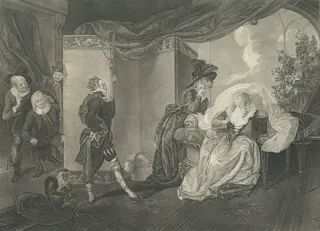 Viola: “I left no ring with her”Twelfth Night · 1 min 30 sec · Comic
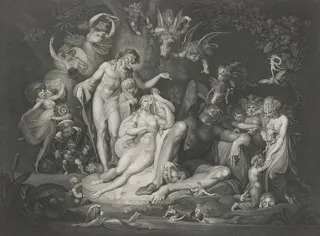 Helena: “How happy some o'er other some can be”A Midsummer Night's Dream · 1 min 30 sec · Comic
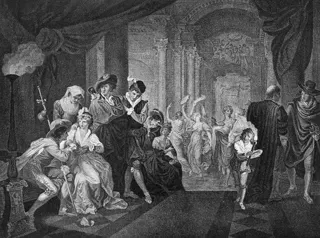 Juliet: “Gallop apace, you fiery-footed steeds”Romeo and Juliet · 1 min 45 sec · Dramatic
- Juliet: “The clock struck nine when I did send the nurse”Romeo and Juliet · 1 min · Comic