
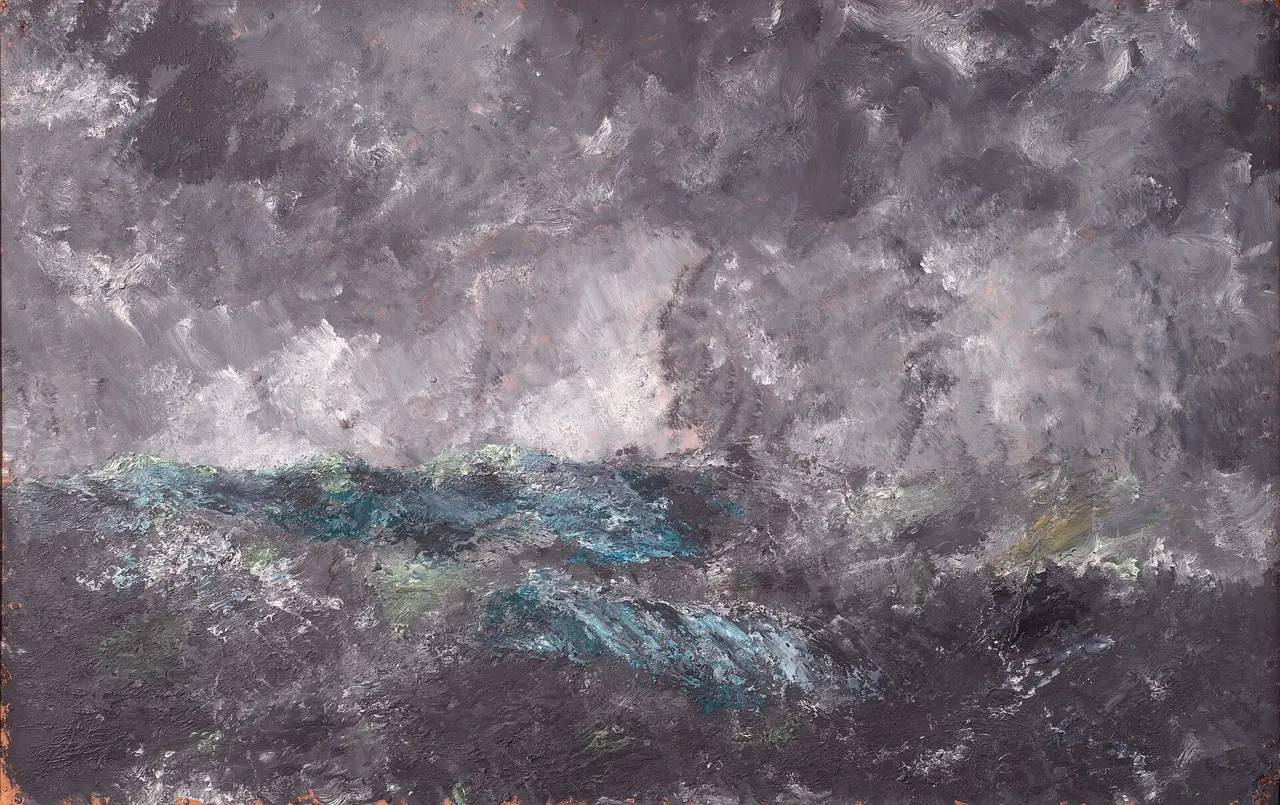
 Adventby August StrindbergA judge and his wife, sure of their own goodness, are brought step by step to judgement.
 After the Fireby August StrindbergA man back from America after thirty years finds his childhood home burned down the night before.
 The Bridal Crownby August StrindbergA girl hides her baby so that she can be married wearing the bride's crown, and pays for it.
 Creditorsby August StrindbergA stranger befriends a young artist and turns him against his wife, who was once the stranger's.

Scene 1
The front of a modern house with a basement of granite. The upper parts are of brick covered with yellow plastering. The window-frames and other ornaments are of sandstone. A low archway leads through the basement to the court and serves also as entrance to the confectioner's shop. The corner of the house appears at the right of the stage, where the avenue opens into a small square planted with roses and various other flowers. At the corner is a mail-box. The main floor, above the basement, has large windows, all of which are open. Four of these windows belong to an elegantly furnished dining-room. The four middle windows in the second story have red shades which are drawn; the shades are illumined by light from within.
Along the front of the house runs a sidewalk with trees planted at regular intervals. There is a lamp-post in the extreme foreground and beside it stands a green bench.
STARCK, the confectioner, comes out with a chair and sits down on the sidewalk.
The MASTER is visible in the dining-room of the main floor, seated at the table. Behind him appears an oven built of green majolica tiles. On its mantelshelf stands a large photograph between two candelabra and some vases containing flowers. A young girl in a light dress is just serving the final course.
The MASTER'S brother, the CONSUL, appears in front of the house, coming from the left, and knocks with his walking-stick on the sill of one of the dining-room windows.
Will you soon be through?
I'll come in a moment.
[Saluting the confectioner] Good evening, Mr. Starck. It's still hot
Good evening, Consul. Yes, it's the dog-day heat, and we have been making jam all day.
Is that so? It's a good year for fruit, then?
It might be worse. Well, the spring was cold, but the summer turned out unbearably hot. It was hard on us who had to stay in the city.
I got back from the country yesterday--one begins to wish oneself back when the evenings grow dark.
Neither I nor my wife have been out of the city. Of course, business is at a standstill, but you have to be on hand to make ready for the winter. First come strawberries, then cherries, then raspberries, and last gooseberries, cantaloupes and all the fall fruits
Tell me something, Mr. Starck. Is the house here to be sold?
Not that I have heard.
There are a lot of people living here?
Something like ten families, I think, counting those in the rear also. But nobody knows anybody else. There is unusually little gossiping in the house. It seems rather as if everybody were hiding. I have lived here ten years, and during the first two years we had for neighbours a strange family that kept very quiet in the daytime. But at night they began to stir about, and then carriages would come and fetch things away. Not until the end of the second year did I learn that they had been running a private sanatorium, and that what was being taken away at night were dead bodies.
Horrible!
And they call it the Silent House.
Yes, there isn't much talking done here.
More than one drama has been played here, nevertheless.
Tell me, Mr. Starck, who lives up there on the second floor, right above my brother?
Up there, where the light comes through the red shades--a tenant died there during the summer. Then the place stood empty for a month, and a week ago a new family moved in. I haven't seen them. I don't know their name. I don't think they ever go out. Why did you ask, Consul?
Whew--I don't know! Those four red shades look like stage curtains behind which some sanguinary tragedies are being rehearsed--or I imagine so, at least. There is a palm at one of the windows looking like a rod made of wire--you can see the shadow of it on the shade. If only some people were to be seen
I have seen plenty of them, but not until later--at night.
Was it men or women you saw?
Both, I guess--but now I must get back to my pots. [He disappears into the gateway.
[Still inside, has risen from the table and lighted a cigar; he is now standing at the open window, talking to his brother outside] I'll be ready in a moment. Louise is only going to sew a button on one of my gloves.
Then you mean to go down-town?
Perhaps we'll take a turn in that direction--Whom were you talking with?
Just the confectioner
Oh, yes--a very decent fellow--and, for that matter, my only companion here during the summer.
Have you really stayed at home every night--never gone out?
Never! Those light evenings make me timid. They are pleasant in the country, of course, but here in the city they produce the effect of something unnatural--almost ghastly. But no sooner has the first street lamp been lighted than I feel calm once more and can resume my evening walks. In that way I can get tired and sleep better at night. [LOUISE hands him the glove] Thank you, my child. You can just as well leave the windows open, as there are no mosquitoes. [To the CONSUL] Now I'm coming.
A few moments later he can be seen coming out of the house on the side facing the square; he stops at the corner to drop a letter in the mail-box; then he comes around the corner to the front of the house and sits down on the bench beside his brother.
But tell me: why do you stay in the city when you could be in the country?
I don't know. I have lost my power of motion. My memory has tied me for ever to these rooms. Only within them can I find peace and protection. In there--yes! It is interesting to look at your own home from the outside. Then I imagine that some other man is pacing back and forth in there--Just think: for ten years I have been pacing back and forth in there!
Is it ten years now?
Yes, time goes quickly--once it is gone. But when it is still going it seems slow enough.--That time the house was new. I watched them putting down the hard-wood floor in the dining-room and painting the doors; and she was permitted to pick out the wall-paper, which is still there--Yes, that was then! The confectioner and I are the oldest tenants in the place, and he, too, has had a few experiences of his own--he is one of those people who never succeed but are always in some kind of trouble. In a way, I have been living his life also, and bearing his burdens besides my own.
Does he drink, then?
No-o--nothing of that kind, but there is no go to him. Well, he and I know the history of this house: how they have arrived in bridal coaches and left in hearses, while the mail-box at the corner became the recipient of all their confidences.
There was a death here in the middle of the summer, wasn't there?
Yes, a case of typhoid--the man was manager of a bank--and then the flat stood vacant for a month. The coffin came out first, then the widow and the children, and last of all the furniture.
That was on the second floor?
Yes, up there, where you see the light--where those new people are, about whom I know nothing at all.
Haven't you seen anything of them either?
I never ask any questions about the other tenants. What comes to me unasked, I accept--but I never make any wrong use of it, and I never interfere, for I am anxious for the peace of my old age.
Old age--yes! I think it's nice to grow old, for then there isn't so much left to be recorded.
Indeed, it is nice. I am settling my accounts, both with life and with people, and I have already begun to pack for the journey. Of course, the solitude has its draw-backs, but when there is nobody who can make any demands on you, then you have won your freedom--the freedom to come and go, to think and act, to eat and sleep, in accordance with your own choice.
At this moment the shade in one of the windows on the second floor is raised a little way, so that part of a woman's dress becomes visible. Then it is quickly drawn again.
They are astir up there--did you see?
Yes, there is such a lot of mystery about it--and at night it is worse than ever. Sometimes there is music, but it's always bad; and sometimes I think they are playing cards; and long after midnight carriages drive up and take away people.--I never make a complaint against other tenants, for then they want to get even, and nobody wants to change his ways. The best thing is to remain oblivious of everything.
A gentleman, dressed in a dinner coat but bareheaded, comes out of the house and drops a big pile of letters into the mail-box; then he disappears into the house again.
That fellow must have a lot of correspondence.
It looked to me like circulars.
But who is he?
Why, that's the new tenant up there on the second floor.
Oh, is that so! What do you think he looked like?
I don't know. Musician, conductor, a touch of musical comedy, with a leaning to vaudeville--gambler--Adonis--a little of everything
Black hair should have gone with that pale complexion of his, but his hair was brown--which means that it had been dyed, or that he wears a wig. A tuxedo at home indicates an empty wardrobe, and the movements of his hands as he dropped the letters into the box suggested shuffling and cutting and dealing--[At this moment waltz music becomes faintly audible from the second floor] Always waltzes--perhaps they have a dancing-school--but it's always the same waltz--what's the name of it now?
Why, I think--that's "Pluie d'or"--I know it by heart.
Have you heard it in your own house?
Yes, that one and the "Alcazar Waltz."
LOUISE becomes visible in the dining-room, where she is putting things in order and wiping the glassware on the buffet.
Are you still pleased with Louise?
Very.
Isn't she going to marry?
Not that I know of.
Is there no fiancé in sight?
Why do you ask?
Have you had any thoughts of that kind?
I? No, thank you! When I married the last time I was not too old, as we had a child in due time, but I have grown too old since then, and now I want to spend my evening in peace--Do you think I want another master in my own house, who would rob me of life and honour and goods?
Oh, nobody took your life or your goods
Do you mean to say that my honour suffered any harm?
Don't you know?
What do you mean?
In leaving you, she killed your honour.
Then I have been a dead man for five years without knowing it.
You haven't known it?
No, but now I'll tell you in a few words what really happened. When, at fifty, I married a girl much younger than myself--one whose heart I had won and who gave me her hand fearlessly and willingly--then I promised her that if ever my age should become a burden to her youth I would go my own way and give her back her freedom. Since the child had come in due time, and neither one of us wanted another, and since our little girl had begun to grow apart from me, so that I had come to feel superfluous, I did go my way--that is, I took a boat, as we were living on an island--and that was the end of the whole story. I had redeemed my promise and saved my honour--what more besides?
All right--but she thought it an attack on her own honour, because she had meant to go away herself. And so she killed you by tacit accusations which never reached your ears.
Did she accuse herself also?
No, she had no reason to do so.
Then no harm has been done.
Do you know what has become of her and the child since then?
I don't want to know! Having at last outlived the horrors of longing, I came to regard the whole business as buried; and as none but beautiful memories were left behind in our rooms, I remained where I was. However, I thank you for that piece of valuable information!
Which one?
That she had no reason for self-accusation, for if she had it would constitute an accusation against me
I think you are living under a serious misconception
If I am, leave me alone! A clear conscience--comparatively clear, at least--has always been the diving-suit that has enabled me to descend into the vast deeps without being suffocated. [Rising] To think of it--that I got out of it with my life! And now it's all over!--Suppose we take a turn down the avenue?
All right, then we can see them light the first street lamp of the season.
But won't the moon be up to-night--the harvest-moon?
Why, I think the moon is full just now
[Going to one of the windows and talking into the dining-room] Please hand me my stick, Louise. The light one--I just want to hold it in my hand.
[Handing out a cane of bamboo] Here it is, sir.
Thank you, my girl. Now turn out the light in the dining-room if you have nothing to do there. We'll be gone a little while--I cannot tell just how long.
The MASTER and the CONSUL go out to the left. LOUISE remains standing by the open window. STARCK comes out of the gateway.
Good evening, Miss Louise. It's awfully hot!--So your gentlemen have disappeared?
They have gone for a stroll down the avenue--the first time my master has gone out this summer.
We old people love the twilight, which covers up so many defects both in ourselves and others. Do you know, Miss Louise, my old woman is getting blind, but she won't have an operation performed. She says there is nothing to look at, and that sometimes she wishes she were deaf, too.
Well, one does feel that way--at times.
Of course, you are leading a very quiet life in there, with plenty of everything, and nothing to worry about. I have never heard a loud voice or the slamming of a door--perhaps, even, it is a little too quiet for a young lady like yourself?
Not at all! I love the quiet, and whatever is dignified, graceful, measured--with nobody blurting out things, and all thinking it a duty to overlook the less pleasant features of daily life.
And you have never any company?
No, only the consul comes here--and the like of the love between those two brothers I have never seen.
Who is the elder of the two?
That's more than I can tell. Whether there is a year or two between them, or they are twins, I don't know, for they treat each other with mutual respect, as if each one of them was the elder brother.
AGNES appears, trying to get past STARCK without being seen by him.
Where are you going, girl?
Oh, I am just going out for a little walk.
That's right, but get back soon.
AGNES goes out.
Do you think your master is still mourning the loss of his dear ones?
He doesn't mourn--he doesn't even feel any regrets, for he doesn't want them back--but he is always with them in his memory, where he keeps only their beautiful traits.
But doesn't the fate of his daughter trouble him at times?
Yes, he cannot help fearing that the mother may have married again, and then, of course, everything depends on how the child's stepfather turns out.
I have been told that the wife refused alimony at first, but that now, when five years have passed, she has sent him a lawyer with a demand for many thousands
[With reserve] I know nothing about it.
I believe, however, that she was never more beautiful than in his memory
[Enters, carrying a crateful of bottles] Excuse me, but does Mr. Fischer live here?
Mr. Fischer? Not so far as I know.
Perhaps Fischer is the name of that fellow on the second floor? Around the corner--one flight up.
[Going toward the square] One flight up--thanks. [He disappears around the corner.
Carrying up bottles again--that means another sleepless night.
What kind of people are they? Why don't they ever show themselves?
I suppose they use the back-stairs, for I have never seen them. But I do hear them.
Yes, I have also heard doors bang and corks pop--and the popping of other things, too, I guess.
And they never open their windows, in spite of the heat--they must be Southerners.--Why, that's lightning--a lot of it!--I guess it's nothing but heat-lightning, for there has been no thunder.
[Is heard from the basement] Starck, dear, won't you come down and help me put in the sugar!
All right, old lady, I'm coming! [To LOUISE] We are making jam, you know. [As he goes] I'm coming, I'm coming! [He disappears into the gateway again.
LOUISE remains standing at the window.
[Enters slowly from the right] Isn't my brother back yet?
No, sir.
He wanted to telephone, and I was to go ahead. Well, I suppose he'll be here soon.--What's this? [He stoops to pick up a post-card] What does it say?--"Boston club at midnight: Fischer."--Do you know who Fischer is, Louise?
There was a man with a lot of wine looking for Fischer a while ago--up on the second floor.
On the second floor--Fischer! Red shades that make the place look like a drug-store window at night! I fear you have got bad company in the house.
What is a Boston club?
Oh, there need be no harm in it at all--in this case I don't know, however.--But how did the post-card--? Oh, it was he who dropped it a while ago. Then I'll put it back in the box.--Fischer? I have heard that name before. In connection with something I cannot recall just now--May I ask a question, Miss Louise: does my brother never speak of--the past?
Not to me.
Miss Louise--one more question
Excuse me, but here comes the milk, and I have to receive it.
She leaves the dining-room.
The MILKMAID appears from the right and enters the house from the square.
[Comes out again, takes off his white linen cap, and puffs with heat] In and out, like a badger at its hole--it's perfectly horrid down there by the ovens--and the evening doesn't make it any cooler.
All this lightning shows that we are going to have rain--Well, the city isn't pleasant, exactly, but up here you have quiet at least: never any rattling carriages, and still less any street-cars--it's just like the country.
Of course, it's quiet, but it's too quiet for business. I know my trade, but I am a poor salesman--have always been, and can't learn--or it may be something else. Perhaps I haven't got the proper manner. For when customers act as if I were a swindler I get embarrassed at first, and then as mad as it is possible for me to become. But nowadays I haven't the strength to get really mad. It has been worn out of me--everything gets worn out.
Why don't you go to work for somebody else?
Who would want me?
Have you ever tried?
What would be the use of it?
Oh--well!
At this moment a long-drawn "O-oh" is heard from the apartment on the second floor.
What, in the name of Heaven, are they up to in that place? Are they killing each other?
I don't like this new and unknown element that has come into the house. It is pressing on us like a red thunder-cloud. What kind of people are they? Where do they come from? What do they want here?
It's so very dangerous to delve in other people's affairs--you get mixed up in them yourself
Do you know anything about them?
No, I don't know anything at all.
Now they're screaming again, this time in the stairway
[Withdrawing into the gateway and speaking in a low voice] I don't want to have anything to do with this.
GERDA, the divorced wife of the MASTER, comes running from the house into the square. She is bareheaded, with her hair down, and very excited. The CONSUL approaches her, and they recognise each other. She draws back from him.
So it's you--my former sister-in-law?
Yes, it is I.
How did you get into this house, and why can't you let my brother enjoy his peace?
[Bewildered] They didn't give us the right name of the tenant below--I thought he had moved--I couldn't help it
Don't be afraid--you don't have to be afraid of me, Gerda! Can I be of any help to you? What's happening up there?
He was beating me!
Is your little girl with you?
Yes.
So she has got a stepfather?
Yes.
Put up your hair and calm yourself. Then I'll try to straighten this matter out. But spare my brother
I suppose he hates me?
No, don't you see that he has been taking care of your flowers in the bed over there? He brought the soil himself, in a basket, don't you remember? Don't you recognise your blue gentians and the mignonette, your Malmaison and Merveille de Lyons roses, which he budded himself? Don't you understand that he has cherished the memory of yourself and of the child?
Where is he now?
Taking a walk along the avenue, but he will be here in a few minutes with the evening papers. When he comes from that side he uses the back door, and he goes straight into the dining-room to read the papers. Stand still and he won't notice you.--But you must go back to your own rooms
I can't! I can't go back to that man.
Who is he, and what?
He--has been a singer.
Has been--and what is he now? An adventurer?
Yes!
Keeps a gambling-house?
Yes!
And the child? Bait?
Oh, don't say that!
It's horrible!
You are too harsh about the whole thing.
Of course, filth must be handled gently--so very gently! But a just cause should be dragged in the dirt. Why did you defile his honour, and why did you lure me into becoming your accomplice? I was childish enough to trust your word, and I defended your unjust cause against his.
You forget that he was too old.
No, he wasn't then, as you had a child at once. When he proposed, he asked if you wanted to have a child with him, and he vowed in the bargain to give you back your freedom when his promise had been kept and old age began to weigh him down.
He deserted me, and that was an insult.
Not to you! Your youth prevented it from being a reflection on you.
He should have let me leave him.
Why? Why did you want to heap dishonour on him?
One of us had to bear it.
What strange paths your thoughts pursue! However, you have killed him, and fooled me into helping you. How can we rehabilitate him?
If he is to be rehabilitated, it can only be at my expense.
I cannot follow your thoughts, which always turn to hatred. But suppose we leave the rehabilitation alone and think only of how his daughter is to be saved: what can we do then?
She is my child. She's mine by law, and my husband is her father
Now you are too harsh about it! And you have grown cruel and vulgar--Hush! Here he comes now.
The MASTER enters from the left with a newspaper in his hand; he goes into the house pensively by the back door, while the CONSUL and GERDA remain motionless, hidden behind the corner of the house.
Then the CONSUL and GERDA come down the stage. A moment later the MASTER becomes visible in the dining-room, where he sits down to read the paper.
It was he!
Come over here and look at your home. See how he has kept everything as it was--arranged to suit your taste.--Don't be afraid. It's so dark out here that he can't see us. The light in the room blinds him, you know.
How he has been lying to me!
In what respect?
He hasn't grown old! He had grown tired of me--that was the whole thing! Look at his collar--and his tie--the very latest fashion! I am sure he has a mistress!
Yes, you can see her photograph on the mantelshelf, between the candelabra.
It is myself and the child! Does he still love me?
Your memory only!
That's strange!
The MASTER ceases to read and stares out through the window.
He is looking at us!
Don't move!
He is looking straight into my eyes.
Be still! He doesn't see you.
He looks as if he were dead
Well, he has been killed.
Why do you talk like that?
An unusually strong flash of heat-lightning illumines the figures of the CONSUL and GERDA.
The MASTER rises with an expression of horror on his face. GERDA takes refuge behind the corner of the house.
Carl Frederick! [Coming to the window] Are you alone? I thought--Are you really alone?
As you see.
The air is so sultry, and the flowers give me a headache--I am just going to finish the newspaper.
He resumes his former position.
Now let us get at your affairs. Do you want me to go with you?
Perhaps! But it will be a hard struggle.
But the child must be saved. And I am a lawyer.
Well, for the child's sake, then! Come with me!
They go out together.
[Calling from within] Carl Frederick, come in and have a game of chess!--Carl Frederick!
Curtain.
Scene 2
Inside the dining-room. The brick stove appears at the centre of the rear wall. To the left of it there is a door leading into the pantry. Another door to the right of it leads to the hallway. At the left stands a buffet with a telephone on it. A piano and a tall clock stand at the right. There are doors in both side walls.
The MASTER is in the room, and LOUISE enters as the curtain rises.
Where did my brother go?
[Alarmed] He was outside a moment ago. He can't be very far away.
What a dreadful noise they are making up above! It is as if they were stepping on my head! Now they are pulling out bureau drawers as if they were were preparing for a journey--running away, perhaps.--If you only knew how to play chess, Louise!
I know a little
Oh, if you just know how to move the pieces, that will be enough--Sit down, child. [He sets up the chess pieces] They are carrying on up there so that they make the chandelier rattle--and the confectioner is heating up down below. I think I'll have to move soon.
I have long thought that you ought to do so anyhow.
Anyhow?
It isn't good to stay too long among old memories.
Why not? As time passes, all memories grow beautiful.
But you may live twenty years more, and that is too long a time to live among memories which, after all, must fade and which may change colour entirely some fine day.
How much you know, my child!--Begin now by moving a pawn--but not the one in front of the queen, or you will be mate in two moves.
Then I start with the knight
Hardly less dangerous, girl!
But I think I'll start with the knight just the same.
All right. Then I'll move my bishop's pawn.
STARCK appears in the hallway, carrying a tray.
There's Mr. Starck with the tea-cakes. He doesn't make any more noise than a mouse.
She rises and goes out into the hallway to receive the tray, which she then carries into the pantry.
Well, Mr. Starck, how is the old lady?
Oh, thank you, her eyes are about as usual.
Have you seen anything of my brother?
He is walking back and forth outside, I think.
Has he got any company?
No-o--I don't think so.
It wasn't yesterday you had a look at these rooms, Mr. Starck.
I should say not--it's just ten years ago now
When you brought the wedding-cake.--Does the place look changed?
It is just as it was--the palms have grown, of course--but the rest is just as it was.
And will remain so until you bring the funeral cake. When you have passed a certain age, nothing changes, nothing progresses--all the movement is downward like that of a sleigh going down-hill.
Yes, that's the way it is.
And it is peaceful, the way I have it here. No love, no friends, only a little company to break up the solitude. Then human beings are just human beings, without any claims on your feelings and sympathies. Then you come loose like an old tooth, and drop out without pain or regrets. Take Louise, for instance--a pretty young girl, the sight of whom pleases me like a work of art that I don't wish to possess--there is nothing to disturb our relationship. My brother and I meet like two old gentlemen who never get too close to each other and never exact any confidences. By taking up a neutral position toward one's fellow-men, one attains a certain distance--and as a rule we look better at a distance. In a word, I am pleased with my old age and its quiet peace--[Calling out] Louise!
[Appearing in the doorway at the left and speaking pleasantly as always] The laundry has come home, and I have to check it off. [She disappears again.
Well, Mr. Starck, won't you sit down and chat a little--or perhaps you play chess?
I can't stay away from my pots, and the oven has to be heated up at eleven. It's very kind of you, however
If you catch sight of my brother, ask him to come in and keep me company.
So I will--so I will! [He goes.
[Alone; moves a couple of pieces on the chess-board; then gets up and begins to walk about] The peace of old age--yes! [He sits down at the piano and strikes a few chords; then he gets up and walks about as before] Louise! Can't you let the laundry wait a little?
[Appears again for a moment in the doorway at the left] No, I can't, because the wash-woman is in a hurry--she has husband and children waiting for her.
Oh! [He sits down at the table and begins to drum with his fingers on it; tries to read the newspaper, but tires of it; lights matches only to blow them out again at once; looks repeatedly at the big clock, until at last a noise is heard from the hallway] Is that you, Carl Frederick?
[Appears in the doorway] It's the mail. Excuse me for walking right in, but the door was standing open.
Is there a letter for me?
Only a post-card.
He hands it over and goes out.
[Reading the post-card] Mr. Fischer again! Boston club! That's the man up above--with the white hands and the tuxedo coat. And to me! The impertinence of it! I have got to move!--Fischer!--[He tears up the card; again a noise is heard, in the hallway] Is that you, Carl Frederick?
[Without coming into the room] It's the ice!
Well, it's nice to get ice in this heat. But be careful about those bottles in the box. And put one of the pieces on edge so that I can hear the water drip from it as it melts--That's my water-clock that measures out the hours--the long hours--Tell me, where do you get the ice from nowadays?--Oh, he's gone!--Everybody goes away--goes home--to hear their own voices and get some company-[Pause] Is that you, Carl Frederick?
Somebody in the apartment above plays Chopin's Fantaisie Impromptu, Opus 66, on the piano--but only the first part of it.
[Begins to listen, is aroused, looks up at the ceiling] My Impromptu?
He covers his eyes with one hand and listens.
The CONSUL enters through the hallway.
Is that you, Carl Frederick?
The music stops.
It is I.
Where have you been so long?
I had some business to clear up. Have you been alone?
Of course! Come and play chess now.
I prefer to talk. And you need also to hear your own voice a little.
True enough--only it is so easy to get to talking about the past.
That makes us forget the present.
There is no present. What's just passing is empty nothingness. One has to look ahead or behind--and ahead is better, for there lies hope!
[Seating himself at the table] Hope--of what?
Of change.
Well! Do you mean to say you have had enough of the peace of old age?
Perhaps.
It's certain then. And if now you had the choice between solitude and the past?
No ghosts, however!
How about your memories?
They don't walk. They are only poems wrought by me out of certain realities. But if dead people walk, then you have ghosts.
Well, then--in your memory--who brings you the prettiest mirage: the woman or the child?
Both! I cannot separate them, and that's why I never tried to keep the child.
But do you think you did right? Did the possibility of a stepfather never occur to you?
I didn't think that far ahead at the time, but afterward, of course, I have had--my thoughts--about--that very thing.
A stepfather who abused--perhaps debased--your daughter?
Hush!
What is it you hear?
I thought I heard the "little steps"--those little steps that came tripping down the corridor when she was looking for me.--It was the child that was the best of all! To watch that fearless little creature, whom nothing could frighten, who never suspected that life might be deceptive, who had no secrets! I recall her first experience of the malice that is in human beings. She caught sight of a pretty child down in the park, and, though it was strange to her, she went up to it with open arms to kiss it--and the pretty child rewarded her friendliness by biting her in the cheek first and then making a face at her. Then you should have seen my little Anne-Charlotte. She stood as if turned to stone. And it wasn't pain that did it, but horror at the sight of that yawning abyss which is called the human heart. I have been confronted with the same sight myself once, when out of two beautiful eyes suddenly shot strange glances as if some evil beast had appeared behind those eyes. It scared me literally so that I had to see if some other person were standing behind that face, which looked like a mask.--But why do we sit here talking about such things? Is it the heat, or the storm, or what?
Solitude brings heavy thoughts, and you ought to have company. This summer in the city seems to have been rather hard on you.
Only these last few weeks. The sickness and that death up above--it was as if I had gone through it myself. The sorrows and cares of the confectioner have also become my own, so that I keep worrying about his finances, about his wife's eye trouble, about his future--and of late I have been dreaming every night about my little Anne-Charlotte. I see her surrounded by dangers--unknown, undiscovered, nameless. And before I fall asleep my hearing grows so unbelievably acute that I can hear her little steps--and once I heard her voice
But where is she then?
Don't ask me!
And if you were to meet her on the street?
I imagine that I should lose my reason or fall in a faint. Once, you know, I stayed abroad very long, during the very time when our youngest sister was growing up. When I returned, after several years, I was met at the steam-boat landing by a young girl who put her arms around my neck. I was horrified at those eyes that searched mine, but with unfamiliar glances--glances that expressed absolute terror at not being recognised. "It is I," she repeated again and again before at last I was able to recognise my own sister. And that's how I imagine it would be for me to meet my daughter again. Five years are enough to render you unrecognisable at that age. Think of it: not to know your own child! That child, who is the same as before, and yet a stranger! I couldn't survive such a thing. No, then I prefer to keep the little girl of four years whom you see over there on the altar of my home. I want no other one. [Pause] That must be Louise putting things to rights in the linen closet. It has such a clean smell, and it reminds me--oh, the housewife at her linen closet; the good fairy that preserves and renews; the housewife with her iron, who smooths out all that has been ruffled up and who takes out all wrinkles--the wrinkles, yes--[Pause] Now--I'll--go in there to write a letter. If you'll stay, I'll be out again soon.
He goes out to the left.
The CONSUL coughs.
[Appears in the door to the hallway] Are you--[The clock strikes] Oh, mercy! That sound--which has remained in my ears for ten years! That clock which never kept time and yet measured the long hours and days and nights of five years. [She looks around] My piano--my palms--the dinner-table--he has kept it in honour, shining as a shield! My buffet--with the "Knight in Armour" and "Eve"--Eve with her basketful of apples--In the right-hand upper drawer, way back, there was a thermometer lying--[Pause] I wonder if it is still there? [She goes to the buffet and pulls out the right-hand drawer] Yes, there it is!
What does that mean?
Oh, in the end it became a symbol--of instability. When we went to housekeeping the thermometer was not put in its place at once--of course, it ought to be outside the window. I promised to put it up--and forgot it. He promised, and forgot. Then we nagged each other about it, and at last, to get away from it, I hid it in this drawer. I came to hate it, and so did he. Do you know what was back of all that? Neither one of us believed that our relationship would last, because we unmasked at once and gave free vent to our antipathies. To begin with, we lived on tiptoe, so to speak--always ready to fly off at a moment's notice. That was what the thermometer stood for--and here it is still lying! Always on the move, always changeable, like the weather. [She puts away the thermometer and goes over to the chess-board] My chess pieces! Which he bought to kill the time that hung heavy on our hands while we were waiting for the little one to come. With whom does he play now?
With me.
Where is he?
He is in his room writing a letter.
Where?
[Pointing toward the left] There.
[Shocked] And here he has been going for five years?
Ten years--five of them alone!
Of course, he loves solitude.
But I think he has had enough of it.
Will he turn me out?
Find out for yourself! You take no risk, as he is always polite.
I didn't make that centrepiece
That is to say, you risk his asking you for the child.
But it was he who should help me find it again
Where do you think Fischer has gone, and what can be the purpose of his flight?
To get away from the unpleasant neighbourhood, first of all; then to make me run after him. And he wanted the girl as a hostage, of course.
As to the ballet--that's something the father must not know, for he hates music-halls.
[Sitting down in front of the chess-board and beginning, absent-mindedly, to arrange the pieces] Music-halls--oh, I have been there myself.
You?
I have accompanied on the piano.
Poor Gerda!
Why? I love that kind of life. And when I was a prisoner here, it wasn't the keeper, but the prison itself, that made me fret.
But now you have had enough?
Now I am in love with peace and solitude--and with my child above all.
Hush, he's coming!
[Rises as if to run away, but sinks down on the chair again] Oh!
Now I leave you. Don't think of what you are to say. It will come of itself, like the "next move" in a game of chess.
I fear his first glance most of all, for it will tell me whether I have changed for better or for worse--whether I have grown old and ugly.
[Going out to the right] If he finds you looking older, then he will dare to approach you. If he finds you as young as ever, he will have no hope, for he is more diffident than you think.--Now!
The MASTER is seen outside, passing by the door leading to the pantry; he carries a letter in his hand; then he disappears, only to become visible again a moment later in the hallway, where he opens the outside door and steps out.
[In the doorway at the right] He went out to the mail-box.
No, this is too much for me! How can I possibly ask him to help me with this divorce? I want to get out! It's too brazen!
Stay! You know that his kindness has no limits. And he'll help you for the child's sake.
No, no!
And he is the only one who can help you.
[Enters quickly from the hallway and nods at GERDA, whom, because of his near-sightedness, he mistakes for LOUISE; then he goes to the buffet and picks up the telephone, but in passing he remarks to GERDA] So you're done already? Well, get the pieces ready then, and we'll begin all over again--from the beginning.
GERDA stands paralysed, not understanding the situation.
[Speaks in the telephone receiver, with his back to Gerda] Hello!--Good evening! Is that you, mother?--Pretty well, thank you! Louise is waiting to play a game of chess with me, but she is a little tired after a lot of bother--It's all over now--everything all right--nothing serious at all.--If it's hot? Well, there has been a lot of thundering, right over our heads, but nobody has been struck. False alarm!--What did you say? Fischer?--Yes, but I think they are going to leave.--Why so? I know nothing in particular.--Oh, is that so?--Yes, it leaves at six-fifteen, by the outside route, and it gets there--let me see--at eight-twenty-five.--Did you have a good time?--[With a little laugh] Oh, he's impossible when he gets started! And what did Marie have to say about it?--How I have had it during the summer? Oh, well, Louise and I have kept each other company, and she has got such an even, pleasant temper.--Yes, she is very nice, indeed!--Oh, no, nothing of that kind!
GERDA, who has begun to understand, rises with an expression of consternation on her face.
My eyes? Oh, I am getting a little near-sighted. But I feel like the confectioner's old wife: there is nothing to look at. Wish I were deaf, too! Deaf and blind! The neighbours above make such a lot of noise at night--it's a gambling club--There now! Somebody got on the wire to listen. [He rings again.
LOUISE appears in the door to the hallway without being seen by the MASTER; GERDA stares at her with mingled admiration and hatred; LOUISE withdraws toward the right.
[At the telephone] Is that you? The cheek of it--to break off our talk in order to listen!--To-morrow, then, at six-fifteen.--Thank you, and the same to you!--Yes, I will, indeed!--Good night, mother! [He rings off.
LOUISE has disappeared. GERDA is standing in the middle of the floor.
[Turns around and catches sight of GERDA, whom he gradually recognises; then he puts his hand to his heart] O Lord, was that you? Wasn't Louise here a moment ago?
GERDA remains silent.
[Feebly] How--how did you get here?
I hope you pardon--I just got to the city--I was passing by and felt a longing to have a look at my old home--the windows were open
Pause.
Do you find things as they used to be?
Exactly, and yet different--there is a difference
[Feeling unhappy] Are you satisfied--with your life?
Yes. I have what I was looking for.
And the child?
Oh, she's growing, and thriving, and lacks nothing.
Then I won't ask anything more. [Pause] Did you want anything--of me--can I be of any service?
It's very kind of you, but--I need nothing at all now when I have seen that you lack nothing either. [Pause] Do you wish to see Anne-Charlotte?
I don't think so, now when I have heard that she is doing well. It's so hard to begin over again. It's like having to repeat a lesson at school--which you know already, although the teacher doesn't think so--I have got so far away from all that--I live in a wholly different region--and I cannot connect with the past. It goes against me to be impolite, but I am not asking you to be seated--you are another man's wife--and you are not the same person as the one from whom I parted.
Am I then so--altered?
Quite strange to me! Your voice, glance, manner
Have I grown old?
That I cannot tell!--They say that not a single atom in a person's body remains wholly the same after three years--and in five years everything is renewed. And for that reason you, who stand over there, are not the same person as the sufferer who once sat here--you seem such a complete stranger to me that I can only address you in the most formal way. And I suppose it would be just the same in the case of my daughter, too.
Don't speak like that. I would much rather have you angry.
Why should I be angry?
Because of all the evil I have done you.
Have you? That's more than I know.
Didn't you read the papers in the suit?
No-o! I left that to my lawyer. [He sits down.
And the decision of the court?
No, why should I? As I don't mean to marry again, I have no use for that kind of documents.
Pause. GERDA seats herself.
What did those papers say? That I was too old?
GERDA'S silence indicates assent.
Well, that was nothing but the truth, so that need not trouble you. In my answer I said the very same thing and asked the Court to set you free again.
You said, that
I said, not that I was, but that I was about to become too old for you!
[Offended] For me?
Yes.--I couldn't say that I was too old when we married, for then the arrival of the child would have been unpleasantly explained, and it was our child, was it not?
You know that, of course! But
Do you think I should be ashamed of my age?--Of course, if I took to dancing and playing cards at night, then I might soon land in an invalid's chair, or on the operating-table, and that would be a shame.
You don't look it
Did you expect the divorce to kill me?
The silence of GERDA is ambiguous.
There are those who assert that you have killed me. Do you think I look like a dead man?
GERDA appears embarrassed.
Some of your friends are said to have caricatured me in the papers, but I have never seen anything of it, and those papers went into the dump five years ago. So there is no need for your conscience to be troubled on my behalf.
Why did you marry me?
Don't you know why a man marries? And you know, too, that I didn't have to go begging for love. And you ought to remember how we laughed together at all the wiseacres who felt compelled to warn you.--But why you led me on is something I have never been able to explain--When you didn't look at me after the marriage ceremony, but acted as if you had been attending somebody else's wedding, then I thought you had made a bet that you could kill me. As the head of the department, I was, of course, hated by all my subordinates, but they became your friends at once. No sooner did I make an enemy than he became your friend. Which caused me to remark that, while it was right for you not to hate your enemies, it was also right that you shouldn't love mine!--However, seeing where you stood, I began to prepare for a retreat at once, but before leaving I wanted a living proof that you had not been telling the truth, and so I stayed until the little one arrived.
To think that you could be so disingenuous!
I learned to keep silent, but I never lied!--By degrees you turned all my friends into detectives, and you lured my own brother into betraying me. But worst of all was that your thoughtless chatter threw suspicions on the legitimacy of the child.
All that I took back!
The word that's on the wing cannot be pulled back again. And worse still: those false rumours reached the child, and now she thinks her mother a
For Heaven's sake!
Well, that's the truth of it. You raised a tall tower on a foundation of lies, and now the tower of lies is tumbling down on your head.
It isn't true!
Yes, it is! I met Anne-Charlotte a few minutes ago
You have met
We met on the stairs, and she said I was her uncle. Do you know what an uncle is? That's an elderly friend of the house and the mother. And I know that at school I am also passing as her uncle.--But all that is dreadful for the child!
You have met
Yes. But why should I tell anybody about it? Haven't I a right to keep silent? And, besides, that meeting was so shocking to me that I wiped it out of my memory as if it had never existed.
What can I do to rehabilitate you?
You? What could you do? That's something I can only do myself. [For a long time they gaze intently at each other] And for that matter, I have already got my rehabilitation. [Pause.
Can't I make good in some way? Can't I ask you to forgive, to forget
What do you mean?
To restore, to repair
Do you mean to resume, to start over again, to reinstate a master above me? No, thanks! I don't want you.
And this I had to hear!
Well, how does it taste? [Pause.
That's a pretty centrepiece.
Yes, it's pretty.
Where did you get it? [Pause.
LOUISE appears in the door to the pantry with a bill in her hand.
[Turning toward her] Is it a bill?
GERDA rises and begins to pull on her gloves with such violence that buttons are scattered right and left.
[Taking out the money] Eighteen-seventy-two. That's just right.
I should like to see you a moment, sir.
[Rises and goes to the door, where LOUISE whispers something into his ear] Oh, mercy
LOUISE goes out.
I am sorry for you, Gerda!
What do you mean? That I am jealous of your servant-girl?
No, I didn't mean that.
Yes, you meant that you were too old for me, but not for her. I catch the insulting point--She's pretty--I don't deny it--for a servant-girl
I am sorry for you, Gerda!
Why do you say that?
Because you are to be pitied. Jealous of my servant--that ought to be rehabilitation enough.
Jealous, I
Why do you fly in a rage at my nice, gentle kinswoman?
"A little more than kin."
No, my dear, I have long ago resigned myself--and I am satisfied with my solitude--[The telephone rings, and he goes to answer it] Mr. Fischer? No, that isn't here.--Oh, yes, that's me.--Has he skipped?--With whom, do you say?--with Starck's daughter! Oh, good Lord! How old is she?--Eighteen! A mere child! [Rings off.
I knew he had run away.--But with a woman!--Now you're pleased.
No, I am not pleased. Although there is a sort of solace to my mind in finding justice exists in this world. Life is very quick in its movements, and now you find yourself where I was.
Her eighteen years against my twenty-nine--I am old--too old for him!
Everything is relative, even age.--But now let us get at something else. Where is your child?
My child? I had forgotten it! My child! My God! Help me! He has taken the child with him. He loves Anne-Charlotte as his own daughter--Come with me to the police--come!
I? Now you ask too much.
Help me!
[Goes to the door at the right] Come, Carl Frederick--get a cab--take Gerda down to the police station--won't you?
[Enters] Of course I will! We are human, are we not?
Quick! But say nothing to Starck. Matters may be straightened out yet--Poor fellow--and I am sorry for Gerda, too!--Hurry up now!
[Looking out through the window] It's beginning to rain--lend me an umbrella. Eighteen years--only eighteen--quick, now!
She goes out with the CONSUL.
[Alone] The peace of old age!--And my child in the hands of an adventurer!--Louise!
LOUISE enters.
Come and play chess with me.
Has the consul
He has gone out on some business. Is it still raining?
No, it has stopped now.
Then I'll go out and cool off a little. [Pause] You are a nice girl, and sensible--did you know the confectioner's daughter?
Very slightly.
Is she pretty?
Ye-es.
Have you known the people above us?
I have never seen them.
That's an evasion.
I have learned to keep silent in this house.
I am forced to admit that pretended deafness can be carried to the point where it becomes dangerous.--Well, get the tea ready while I go outside and cool off a little. And, one thing, please--you see what is happening, of course--but don't ask me any questions.
I? No, sir, I am not at all curious.
I am thankful for that!
Curtain.
Scene 3
The front of the house as in the First Scene. There is light in the confectioner's place in the basement. The gas is also lit on the second floor, where now the shades are raised and the windows open.
STARCK is sitting near the gateway.
[Seated on the green bench] That was a nice little shower we had.
Quite a blessing! Now the raspberries will be coming in again
Then I'll ask you to put aside a few jars for us. We have grown tired of making the jam ourselves. It only gets spoiled.
Yes, I know. Jars of jam are like mischievous children: you have to watch them all the time. There are people who put in salicylic acid, but those are newfangled tricks in which I take no stock.
Salicylic acid--yes, they say it's antiseptic--and perhaps it's a good thing.
Yes, but you can taste it--and it's a trick.
Tell me, Mr. Starck, have you got a telephone?
No, I have no telephone.
Oh!
Why do you ask?
Oh, I happened to think--a telephone is handy at times--for orders--and important communications
That may be. But sometimes it is just as well to escape--communications.
Quite right! Quite right!--Yes, my heart always beats a little faster when I hear it ring--one never knows what one is going to hear--and I want peace--peace, above all else.
So do I.
[Looking at his watch] The lamplighter ought to be here soon.
He must have forgotten us, for I see that the lamps are already lit further down the avenue.
Then he'll be here soon. It will be a lot of fun to see our lamp lighted again.
The telephone in the dining-room rings. LOUISE comes in to answer the call. The MASTER rises and puts one hand up to his heart. He tries to listen, but the public cannot hear anything of what is said within. Pause. After a while LOUISE comes out by way of the square.
[Anxiously] What news?
No change.
Was that my brother?
No, it was the lady.
What did she want?
To speak to you, sir.
I don't want to!--Have I to console my executioner? I used to do it, but now I am tired of it.--Look up there! They have forgotten to turn out the light--and light makes empty rooms more dreadful than darkness--the ghosts become visible. [In a lowered voice] And how about Starck's Agnes? Do you think he knows anything?
It's hard to tell, for he never speaks about his sorrows--nor does anybody else in the Silent House!
Do you think he should be told?
For Heaven's sake, no!
But I fear it isn't the first time she gave him trouble.
He never speaks of her.
It's horrible! I wonder if we'll get to the end of it soon? [The telephone rings again] Now it's ringing again. Don't answer. I don't want to hear anything.--My child--in such company! An adventurer and a strumpet!--It's beyond limit!--Poor Gerda!
It's better to have certainty. I'll go in--You must do something!
I cannot move--I can receive blows, but to strike back--no!
But if you don't repel a danger, it will press closer; and if you don't resist, you'll be destroyed.
But if you refuse to be drawn in, you become unassailable.
Unassailable?
Things straighten out much better if you don't mess them up still further by interference. How can you want me to direct matters where so many passions are at play? Do you think I can suppress anybody's emotions, or give them a new turn?
But how about the child?
I have surrendered my rights--and besides--frankly speaking--I don't care for them--not at all now, when she has been here and spoiled the images harboured in my memory. She has wiped out all the beauty that I had cherished, and now there is nothing left.
But that's to be set free!
Look, how empty the place seems in there--as if everybody had moved out; and up there--as if there had been a fire.
Who is coming there?
AGNES enters, excited and frightened, but trying hard to control herself; she makes for the gateway, where the confectioner is seated on his chair.
[To the MASTER] There is Agnes? What can this mean?
Agnes? Then things are getting straightened out.
[With perfect calm] Good evening, girl! Where have you been?
I have been for a walk.
Your mother has asked for you several times.
Is that so? Well, here I am.
Please go down and help her start a fire under the little oven.
Is she angry with me, then?
You know that she cannot be angry with you.
Oh, yes, but she doesn't say anything.
Well, girl, isn't it better to escape being scolded?
AGNES disappears into the gateway.
[To LOUISE] Does he know, or doesn't he?
Let's hope that he will remain in ignorance.
But what can have happened? A breach? [To STARCK] Say, Mr. Starck
What is it?
I thought--Did you notice if anybody left the house a while ago?
I saw the iceman, and also a mail-carrier, I think.
Oh! [To LOUISE] Perhaps it was a mistake--that we didn't hear right--I can't explain it--Or maybe he is not telling the truth? What did she say when she telephoned?
That she wanted to speak to you.
How did it sound? Was she excited?
Yes.
I think it's rather shameless of her to appeal to me in a matter like this.
But the child!
Just think, I met my daughter on the stairway, and when I asked her if she recognised me she called me uncle and told me that her father was up-stairs. Of course, he is her stepfather, and has all the rights--They have just spent their time exterminating me, blackguarding me
A cab is stopping at the corner.
STARCK withdraws into the gateway.
I only hope they don't come back to burden me again! Just think: to have to hear my child singing the praise of her father--the other one! And then to begin the old story all over again: "Why did you marry me?"--"Oh, you know; but what made you want me?"--"You know very well!"--And so on, until the end of the world.
It was the consul that came.
How does he look?
He is taking his time.
Practising what he is to say, I suppose. Does he look satisfied?
Thoughtful, rather
Hm!--That's the way it always was. Whenever he saw that woman he became disloyal to me. She had the power of charming everybody but me. To me she seemed coarse, vulgar, ugly, stupid; to all the rest she seemed refined, pleasant, handsome, intelligent. All the hatred aroused by my independence centred in her under the form of a boundless sympathy for whoever wronged me in any way. Through her they strove to control and influence me, to wound me, and, at last, to kill me.
Now, I'll go in and watch the telephone--I suppose this storm will pass like all others.
Men cannot bear independence. They want you to obey them. Every one of my subordinates in the department, down to the very messengers, wanted me to obey him. And when I wouldn't they called me a despot. The servants in our house wanted me to obey them and eat food that had been warmed up. When I wouldn't, they set my wife against me. And finally my wife wanted me to obey the child, but then I left, and then all of them combined against the tyrant--which was I!--Get in there quick now, Louise, so we can set off our mines out here.
The CONSUL enters from the left.
Results--not details--please!
Let's sit down. I am a little tired.
I think it has rained on the bench.
It can't be too wet for me if you have been sitting on it.
A you like!--Where is my child?
Can I begin at the beginning?
Begin!
[Speaking slowly] I got to the depot with Gerda--and at the ticket-office I discovered him and Agnes
So Agnes was with him?
And so was the child!--Gerda stayed outside, and I went up to them. At that moment he was handing Agnes the tickets, but when she discovered that they were for third class she threw them in his face and walked out to the cab-stand.
Ugh!
As soon as I had established a connection with the man, Gerda hurried up and got hold of the child, disappearing with it in the crowd
What did the man have to say?
Oh, you know--when you come to hear the other side--and so on.
I want to hear it. Of course, he isn't as bad as we thought--he has his good sides
Exactly!
I thought so! But you don't want me to sit here listening to eulogies of my enemy?
Oh, not eulogies, but ameliorating circumstances
Did you ever want to listen to me when I tried to explain the true state of affairs to you? Yes, you did listen--but your reply was a disapproving silence, as if I had been lying to you. You have always sided with what was wrong, and you have believed nothing but lies, and the reason was--that you were in love with Gerda! But there was also another reason
Brother, don't say anything more! You see nothing but your own side of things.
How can you expect me to view my conditions from the standpoint of my enemy? I cannot take sides against myself, can I?
I am not your enemy.
Yes, when you make friends with one who has wronged me!--Where is my child?
I don't know.
What was the outcome at the depot?
He took a south-bound train alone.
And the others?
Disappeared.
Then I may have them after me again. [Pause] Did you see if they went with him?
He went alone.
Well, then we are done with that one, at least. Number two--there remain now--the mother and the child.
Why is the light burning up there in their rooms?
Because they forgot to turn it out.
I'll go up
No, don't go!--I only hope that they don't come back here!--To repeat, always repeat, begin the same lesson all over again!
But it has begun to straighten out.
Yet the worst remains--Do you think they will come back?
Not she--not since she had to make you amends in the presence of Louise.
I had forgotten that! She really did me the honour of becoming jealous! I do think there is justice in this world!
And then she learned that Agnes was younger than herself.
Poor Gerda! But in a case like this you mustn't tell people that justice exists--an avenging justice--for it is sheer falsehood that they love justice! And you must deal gently with their filth. And Nemesis--exists only for the other person.--There it's ringing again? That telephone makes a noise like a rattlesnake!
LOUISE becomes visible at the telephone inside. Pause.
[To LOUISE] Did the snake bite?
[At the window] May I speak to you, sir?
[Going up to the window] Speak out!
The lady has gone to her mother, in the country, to live there with her little girl.
[To his brother] Mother and child in the country--in a good home! Now it's straightened out!--Oh!
And she asked us to turn out the light up-stairs.
Do that at once, Louise, and pull down the shades so we don't have to look at it any longer.
LOUISE leaves the dining-room.
[Coming out on the sidewalk again and looking up] I think the storm has passed over.
It seems really to have cleared up, and that means we'll have moonlight.
That was a blessed rain!
Perfectly splendid!
Look, there's the lamplighter coming at last!
The LAMPLIGHTER enters, lights the street lamp beside the bench, and passes on.
The first lamp! Now the fall is here! That's our season, old chaps! It's getting dark, but then comes reason to light us with its bull's-eyes, so that we don't go astray.
LOUISE becomes visible at one of the windows on the second floor; immediately afterward everything is dark up there.
[To Louise] Close the windows and pull down the shades so that all memories can lie down and sleep in peace! The peace of old age! And this fall I move away from the Silent House.
Curtain.