
Duologue from Love for Love by William Congreve
Miss Prue and Tattle: “What makes 'em go away, Mr. Tattle?”
Tattle is left alone with Miss Prue, newly up from the country.
- 4 min 30 sec
- Comic
- Miss Prue: Woman, 18 to 24
- Tattle: Man, 25 to 40
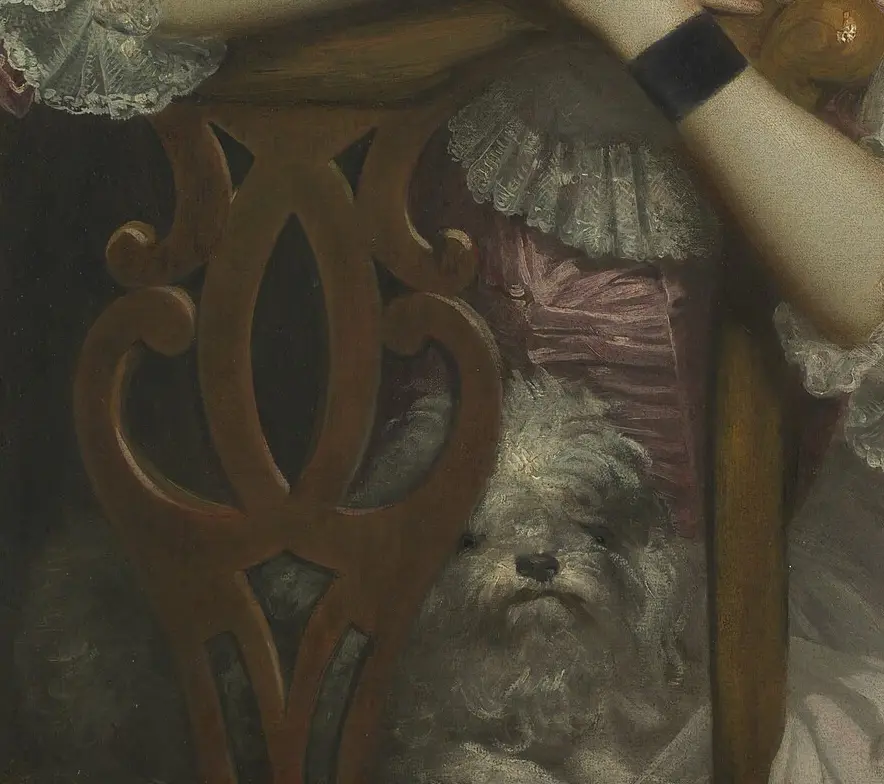

Act 2, Scene 1A room in FORESIGHT’S house
What makes ’em go away, Mr. Tattle? What do they mean, do you know?
Yes my dear; I think I can guess, but hang me if I know the reason of it.
Come, must not we go too?
No, no, they don’t mean that.
No! What then? What shall you and I do together?
I must make love to you, pretty Miss; will you let me make love to you?
Yes, if you please.
Frank, i’Gad, at least. What a pox does Mrs. Foresight mean by this civility? Is it to make a fool of me? Or does she leave us together out of good morality, and do as she would be done by?—Gad, I’ll understand it so. [Aside]
Well; and how will you make love to me—come, I long to have you begin,—must I make love too? You must tell me how.
You must let me speak, Miss, you must not speak first; I must ask you questions, and you must answer.
What, is it like the catechism? Come then, ask me.
D’ye think you can love me?
Yes.
Pooh, pox, you must not say yes already; I shan’t care a farthing for you then in a twinkling.
What must I say then?
Why you must say no, or you believe not, or you can’t tell—
Why, must I tell a lie then?
Yes, if you’d be well bred. All well bred persons lie.—Besides, you are a woman, you must never speak what you think: your words must contradict your thoughts; but your actions may contradict your words. So when I ask you if you can love me, you must say no, but you must love me too. If I tell you you are handsome, you must deny it, and say I flatter you. But you must think yourself more charming than I speak you: and like me, for the beauty which I say you have, as much as if I had it myself. If I ask you to kiss me, you must be angry, but you must not refuse me. If I ask you for more, you must be more angry,—but more complying; and as soon as ever I make you say you’ll cry out, you must be sure to hold your tongue.
O Lord, I swear this is pure. I like it better than our old-fashioned country way of speaking one’s mind;—and must not you lie too?
Hum—yes—but you must believe I speak truth.
O Gemini! Well, I always had a great mind to tell lies; but they frighted me, and said it was a sin.
Well, my pretty creature; will you make me happy by giving me a kiss?
No, indeed; I’m angry at you. [Runs and kisses him]
Hold, hold, that’s pretty well, but you should not have given it me, but have suffered me to have taken it.
Well, we’ll do it again.
With all my heart.—Now then, my little angel. [Kisses her]
Pish.
That’s right,—again, my charmer. [Kisses again]
O fie, nay, now I can’t abide you.
Admirable! That was as well as if you had been born and bred in Covent Garden. And won’t you shew me, pretty miss, where your bed-chamber is?
No, indeed won’t I; but I’ll run there, and hide myself from you behind the curtains.
I’ll follow you.
Ah, but I’ll hold the door with both hands, and be angry;—and you shall push me down before you come in.
No, I’ll come in first, and push you down afterwards.
Will you? Then I’ll be more angry and more complying.
Then I’ll make you cry out.
Oh, but you shan’t, for I’ll hold my tongue.
O my dear apt scholar!
Well, now I’ll run and make more haste than you.
You shall not fly so fast, as I’ll pursue.
More duologues for a woman and a man
 Romeo and Juliet: “Thou know'st the mask of night is on my face”Romeo and Juliet · 3 min 15 sec · Dramatic
 Beatrice and Benedick: “Kill Claudio”Much Ado About Nothing · 4 min 15 sec · Comic
 Orsino and Viola: “She never told her love”Twelfth Night · 2 min 45 sec · Dramatic
 Macbeth and Lady Macbeth: “We will proceed no further in this business”Macbeth · 3 min 15 sec · Dramatic