
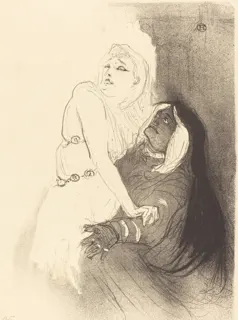
 Phèdreby Jean RacineA queen's love for her stepson destroys them both.
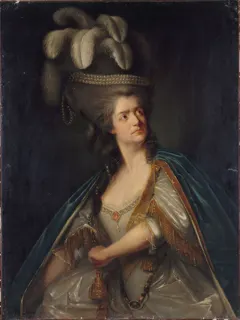 Andromacheby Jean RacineAfter Troy, the son of Achilles loves his captive, Hector's widow, and the woman he jilts sends her own lover to kill him.
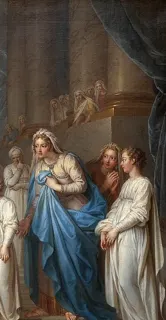 Athaliahby Jean RacineThe queen who murdered her grandsons to rule Judah dreams of a child in the Temple, and the child is the last of them.
 Bajazetby Jean RacineIn the Sultan's absence, his favourite offers his imprisoned brother the throne, if he will marry her.

Act 1, Scene 1
[XIPHARES, ARBATES]
We have received a true report, Arbates;
Rome triumphs, Mithridates is no more.
The Romans in a night attack surprised
My father's wonted prudence, near Euphrates;
The conflict was a long one, but at last
His army, routed, left him on the field
Among the slain, and into Pompey's hand
A soldier, as I hear, his sword and crown
Deliver'd. Thus he who for forty years
Had baffled all Rome's bravest generals,
And in the east with uniform success
Maintain'd the common cause of all her kings,
Dies, leaving two ill-fated sons behind,
At variance with each other, to avenge him.
You and your brother, Prince! And does desire
To mount your father's throne already make you
A foe to Pharnaces?
Nay, at such price
I would not buy, Arbates, the mere wreckage
Of an ill-fated empire. I respect
His birthright, and, contented with the States
Assign'd to me, shall see without regret
All that Rome's friendship promises fall ready
Into his hands.
Rome's friendship with a son
Of Mithridates! Is it true, my lord?
Ay, Pharnaces has long at heart been Roman,
And now on Rome and Pompey rest his hopes:
While I, more faithful to my sire than ever,
Still to the Romans vow undying hatred.
But 'tis the least source of our strife that rises
From his pretensions and my enmity.
What other motive arms your wrath against him?
I shall surprise you. This fair Monima,
Who won the King our father's heart, of whom
My brother since declares himself the lover—
Well, Prince?
I love her, and may own my passion
Now that that brother is my only rival.
Doubtless you wonder at the words I speak,
But 'tis no secret of a few short days,
Long has this love of mine grown up in silence.
How I could make you realize its ardour,
My earliest sighs, my latest disappointment!
But in the state to which we are reduced
'Tis no fit time to task my memory
With the recital of an amorous tale.
Let it suffice, to justify myself,
That it was I who first beheld the Queen,
And loved her. Ere the name of Monima
Had reach'd my father's ears, her charms had roused
A lawful passion in my heart. He saw her,
And courted her, but with unworthy suit,
Deeming that she would prove an easy conquest,
Without presuming to claim marriage honours.
You know how warmly he assail'd her virtue,
And, weary of a long and fruitless struggle,
Absent, but never parted from his passion,
He by your hands sent her his diadem.
Judge of my grief, when tidings came that told
Too truly of the purpose of the King,
How Monima his destined bride had taken
Her journey hither under your protection!
'Twas then, ah! odious time, my mother's eyes
Were open'd to the offers of the Romans.
Whether in jealous rage at these new nuptials,
Or to procure me Pompey's pow'rful favour,
My father she betray'd, and gave to Rome
The town and treasures to her care intrusted.
How did my mother's crime affect my feelings?
No more I saw a rival in my father,
I thought not of the love his own had cross'd,
And had no eyes but for my father's wrongs.
Soon I attack'd the Romans; and my mother,
Distracted, saw me wounded to the death
Recovering the place she had surrender'd,
And with my dying breath cursing her name.
Since then the Euxine has been free, and so
Remains; from Pontus to the Bosphorus
All own'd my father's sway; his fleet victorious
Found winds and waves its only enemies.
More I would fain have done; I thought, Arbates,
To march upon Euphrates to his rescue,
When I was stunn'd by tidings of his death.
But mingled with my tears, I will confess it,
Back to my thoughts came charming Monima,
Intrusted by my father to your hands.
In these sad times I trembled for her life,
Dreading that in his cruel jealousy
The King, as oft before with many a mistress,
Might means have taken to secure her death.
Hither I flew, and 'neath Nymphæum's walls
My anxious eyes encounter'd Pharnaces,
A sight, I trow, of evil augury.
You received both of us, and know the rest.
Hasty in all his actions, Pharnaces
Of his presumptuous wishes made no secret,
Related to the Queen my father's ruin,
And, since the King was dead, offer'd himself
To fill his place; nor will his deeds fall short
Of words. I too will show what I can do.
The love that bade me reverence a sire
To whom from childhood I have own'd submission,
This very love, now rising in revolt,
Scorns the authority of this new rival.
Either the suit I venture to advance
Must be by Monima herself rejected,
Or else, whatever ill may come of it,
She shall not be another's, while I live.
Thus have I told the secrets of my heart;
With you it rests to choose the side you take.
Which of us seems the worthier of allegiance,
The slave of Rome, or Mithridates' son?
Proud of her friendship, Pharnaces, no doubt,
Thinks to command all here, and to dictate
To me, where I refuse to own his pow'r:
His heritage is Pontus, Colchis mine,
And ever have the Colchian princes claim'd
This Bosphorus as to their realms belonging.
Whatever strength I have is at your service,
My choice is made already, I will do
My duty, and the self-same zeal and valour
With which I served your father and maintain'd
This place against your brother and yourself,
Now that the King is dead, shall aid your efforts
Against all foes. Had it not been for you,
My certain death would, I know well, have follow'd
Your brother's entrance, and my blood have stain'd
These ramparts which he vainly sought to storm.
As to the Queen, you need not fear her choice,
And for the rest, unless false shadows mock me,
Pharnaces soon will leave you master here
To reap elsewhere the harvest of Rome's bounty.
Thanks, dear Arbates!
But I hear a footstep.
Leave me, my friend. 'Tis Monima herself.
Act 1, Scene 2
[MONIMA, XIPHARES]
My lord, I come to you; for if to-day
You help me not, then my last hope is gone.
Orphan'd and friendless, full of fears, forsaken,
Long call'd a queen, yet all the time a captive,
A widow now tho' never yet a wife,
These are, my lord, the lightest of my woes.
I tremble in your ears to breathe the name
Of my oppressor, but a heart so great
Will not, I trust, to ties of kindred blood
Between you, sacrifice the tears of grief.
Ay, now you know his name. 'Tis Pharnaces,
'Tis he, my lord, whose criminal presumption
Would by main force fast bind me to himself
In wedlock that to me were worse than death.
What baleful star must on my birth have shone!
Destined to loveless union with another,
Scarce am I free to taste a moment's peace
When to a yoke yet heavier I must bend.
Perchance, more humble in my misery,
I should remember that it is his brother
To whom I speak. But whether reason prompts,
Or fate, or hatred that with him confounds
The Rome whose aid he seeks, no marriage yet
Was e'er more odious than the one I dread.
And if I cannot move you with my tears,
If I have naught to trust but my despair,
At the same altar where I stand a bride
You shall see Monima, thus only freed
From tyranny, fall stricken to the heart,
A heart that ne'er was hers to give away.
Madam, of my obedience rest assured;
Here your authority is paramount:
Let Pharnaces, if so he will, elsewhere
Make himself dreaded. But you know not yet
All your distress.
Ah, what fresh trouble then
Frowns upon Monima?
If loving you
Is sin, not Pharnaces alone is guilty;
My crime is worse a thousand times than his.
Yours?
Reckon this the climax of misfortunes.
Invoke the heav'nly Pow'rs, if so you must,
Against a seed accurst, born to torment
And persecute you, sire and sons alike.
But howsoever bitter the surprise
With which you hear me own this fatal love,
Never could all your woes together reach
The anguish of my efforts to conceal it.
Yet think not that, like Pharnaces, my brother,
I serve you now to take his place hereafter;
You would be free, I pledge my word you shall be,
Neither on Pharnaces nor me dependent.
But when your wishes have been satisfied,
Where will you choose the place of your retreat?
In regions far remote or near my States?
Shall I be suffer'd to escort you thither?
With the same eye will you regard my homage
And his oppression? Flying from my rival,
From me too will you fly? And for reward
Of faithful service banish me for ever?
Ah, what is this you tell me?
If advantage
In time, fair Monima, confers a right,
Here I assure you it was I who first
Saw and admired, resolved to make you mine,
When, to my sire unknown, your budding charms
Rejoiced your mother's eye, and hers alone.
If, by my duty forced to quit your side,
I could not all my ardent love display,
Have you lost all remembrance of the grief
With which I oft bewail'd that sad constraint?
Have you forgotten my last fond farewells
At parting from the sight of your sweet eyes?
My heart alone retains those memories;
Confess that I recall a vanish'd dream.
While far from you and hopeless of return
I cherish'd still an unrequited love,
You well content to wed my sire, scarce heaved
A single sigh in sympathy for me.
Alas!
Did my distress one moment move you?
Prince, do not mock me in my misery.
Mock you? Ye gods! when eager to defend you,
Daring to press no claim, asking for nothing!
What shall I say, then? When I give my promise
To place you where you ne'er shall see me more!
You promise what you never will perform.
What! Will you not believe my solemn oath?
Think you that I shall so abuse my pow'r,
And that I mean to curb your liberty?
Explain yourself, I pray you.
Someone comes.
One word.
Protect me from your brother's rage:
To make me grant consent to see you, Sir,
You need not have recourse to tyranny.
Ah, Madam!
Prince, you see your brother comes.
Act 1, Scene 3
[MONIMA, PHARNACES, XIPHARES]
How long will you expect my father, Madam?
Fresh witness to his death arrives each moment
To satisfy your doubt and chide delay.
Come, fly with me from this delightless clime,
Whose savage aspect cannot but remind you
Of bondage hard; obedient subjects wait you
'Neath happier skies and worthier of your charms.
Pontus has long acknowledged you her queen,
Still wears your brow the royal diadem
As token of your sovereignty, and pledge
Of her assured submission to your sway.
I by my father's will am master there,
And 'tis my privilege to keep his promise.
But, trust me, time is pressing, tarry not,
Our marriage and departure must be hasten'd;
Our common interests and my heart demand it.
My ships are ready, waiting to receive you,
And from the altar you may go aboard,
Queen of the seas that are to bear you hence.
Such kindness, Sir, I find too overwhelming.
But since time presses, and I needs must answer,
May I without disguise freely express
The secret feelings of my heart?
You may,
And that without reserve.
To you I think
My origin is known; of Ephesus
A native, but of royal ancestry.
Kings were my sires, or heroes whom erewhile
Greece for their virtues rank'd higher than kings.
When Mithridates saw me, Ephesus
And all Ionia crown'd his prosperous arms.
This pledge of faithful love he deign'd to send me,
My family presumed not to dispute
His sovereign will. A slave, tho' crown'd, I went
To be his bride, as fortune had ordain'd.
While he in Pontus waited to receive me,
New projects call'd him thence, and he obey'd
The summons to wage war against the Romans,
Sending me hither to avoid the storm.
I came, and here I still abide. My father
Paid dear, however, for that dangerous honour,
For the first victim of victorious Rome
Was Philopœmen, sire of Monima;
A fatal title, costing him his life,
It was to speak of that I wish'd to see you.
However justly moved to indignation,
I have no army to oppose to Rome;
Helpless I witness all her injuries,
No sceptre mine nor soldiers to avenge me,
Only a heart to feel. All I can do
Is to be faithful to my filial duty,
Nor in my father's blood imbrue my hands
By wedding you, the sworn ally of Rome.
Why speak you thus of Rome and her alliance?
Why this suspicion and these words of anger?
Who told you that the Romans are my friends?
Can you, my lord, deny that so it is?
How could you offer welcome as a queen
To me where all the land is in their pow'r.
Did not a secret treaty with the Romans
Smooth your way thither and secure your throne?
I might inform you of my purposes,
For which I have good reasons, and could state them.
If, leaving once for all these vain disguises,
You had explain'd to me your secret feelings.
But now, long baffled, I begin to gather
The meaning of your manifold excuses;
I see an int'rest you would fain conceal,
Another than a father prompts your speech.
Whatever motive may inspire her words,
At least, Sir, they deserve no doubtful answer,
Nor should your just resentment against Rome
One moment hesitate to burst in fury.
What! After having learn'd our sire's disgrace,
Slow to avenge him, swift to fill his place,
Shall we forget our honour and his blood?
We know that he is dead, but he may lie
Unburied. While your soul with eager hope
Dwells on the thought of hymeneal bliss,
This King, whom all the East, full of his feats,
May justly name her last and greatest hero,
In his own realms deprived of funeral rites,
Or laid dishonour'd 'mid a meaner crowd,
Perchance accuses Heav'n's unjust neglect
And two unworthy sons who dare not fight
For vengeance. Why should we lurk longer here?
If any prince still free in all the world,
Parthian, Sarmatian, Scythian, loves his freedom,
There let us find allies and march beside them,
To live or die, true sons of Mithridates.
Whatever love beguiles us, let us think
Rather of rescue from a foreign yoke,
Than of constraining hearts that will not yield.
He knows your feelings. Was I wrong, fair lady?
Your father and my fancied league with Rome
Are but the pretext for a stronger reason.
Her secret feelings are to me unknown;
But if I thought, like you, that I could read them,
I would submit my claims to their decision.
You would do well; and I too know my duty.
I am not bound to copy your example.
Here know I none at least who may presume
To shape his conduct on another model.
So might you boast in Colchis I admit.
Here and in Colchis is my right the same.
Not here, I ween, if you would 'scape destruction.
Act 1, Scene 4
[MONIMA, PHARNACES, XIPHARES, PHŒDIMA]
Princes, the sea is all alive with ships,
And soon, despite the tidings of his death,
Will Mithridates disembark in person.
The King!
My father!
What is this I hear!
Despatch boats have arrived to bring the news;
'Tis he himself, and, prompt to pay due homage,
Arbates goes to greet him ere he lands.
[to MONIMA] What have we done!
[to XIPHARES] Farewell, Prince. Wondrous tidings!
Act 1, Scene 5
[PHARNACES, XIPHARES]
[aside] The King returns! Ah, cruel stroke of Fortune!
My life and love are both in jeopardy.
Th' expected Romans will arrive too late:
What shall I do?
[To XIPHARES.]
I know your heart is sore,
I can imagine her sad words at parting;
But this is not the time to speak of that,
Cares more important task our thoughts to-day.
The King returns, perchance implacable;
More dreadful he, the more unfortunate.
The peril is far worse than you suppose;
We verily are guilty, and you know him,
How rarely tenderness disarms his rage.
His sons can have no more relentless judge,
As shown to two of them who died the victims
Of mere suspicion. We have greater reason
To fear, each for himself, and for the Queen.
I pity her the more, the more he loves her;
For amorous ardour piques his jealousy,
And hatred ever far outstrips his love.
Place no reliance on his past affection,
His jealous fury will burn all the fiercer.
Consider well. The favour of the army
Is yours. I speak not of mine own resources.
Be ruled by me. Let us secure our pardon,
Make ourselves masters of this place, and so
Force him to offer to his sons such terms
As they shall be contented to accept.
I recognize my guilt, and know my father,
My mother's crime besides have I to bear;
But tho' my eyes are dazzled still with love,
When comes my sire I cannot but obey him.
Let us at least be faithful to each other;
You know my secret, I have read your own.
The King, devising ever dangerous wiles,
Will turn our slightest words to our destruction;
You know his way, how tenderness can mask
Deceitful hatred. Lead and I will follow,
Since it must needs be so, but, while submitting
To duty, let us scorn to act the traitor.
Act 2, Scene 1
[MONIMA, PHŒDIMA]
What! you here still, when Mithridates lands!
When all are flocking to the shore in welcome!
What mean you, Madam? What remembrance checks
Your steps, and makes you turn them back? Will you
Offend a King whose soul adores you only,
Almost his wife—
Not yet, dear Phœdima;
And till that time I think my duty bids me
Await him here, and not go forth to greet him.
Nay, you must not regard him as a lover
Of common rank. Betrothed to this great King,
Bound by a father's promise, you have pledges
Which, when he will, the solemn rites of marriage
May ratify. Go forth, and show yourself.
See, would you have me meet him as I am?
Look at this tear-stain'd face, and tell me rather
To hide myself than seek his presence thus.
Heav'ns! What is this?
It kills me, his return!
Wretch that I am, how can I dare to face him?
His diadem on my brow, and in my heart—
Can you not read its secret in these blushes?
What, is it so? Crush'd by the same alarms
That made you shed so many tears in Greece?
Your path seems always cross'd by Xiphares.
Greater than you can think is my distress.
Then, in my thoughts I dwelt on Xiphares
Only as noble, virtuous, and brave;
I knew not that, inflamed with love for me,
He was of mortals the most amorous.
He loves you, Madam? And this charming hero—
Is no less wretched, Phœdima, than I.
His heart adores me, and the self-same sorrow
That here tormented me elsewhere consumed him.
Knows he how far he has secured your favour?
Is he aware you love him?
No, dear friend.
Heav'n guarded me from that; I kept strict silence,
Or said at most but half of what I felt.
Ah, if you only knew how this sad heart
Has striv'n its resolution to maintain,
What conflicts, what assaults I have endured!
Hark, Phœdima, I never more will see him,
If I can help it. Vain were all my efforts,
I should be forced to speak, were I again
To see his grief. He'll come in spite of me,
And tear my secret from me; but no joy
His love will thence derive; so dear the cost,
'Twere better had his bliss remain'd unknown.
See, they are coming. What is to be done?
I cannot, will not meet him, thus distracted.
Act 2, Scene 2
[MITHRIDATES, PHARNACES, XIPHARES, ARBATES, GUARDS]
Princes, whate'er excuses you may frame,
Your duty never should have brought you hither,
Nor made you quit, at such a time of need,
Pontus and Colchis, to your care confided.
But an indulgent father is your judge.
Those rumours you believed which I myself
Dispersed; and, since you wish it, I will deem
You guiltless, and thank Heav'n for this our meeting.
Vanquish'd as I have been, and all but shipwreck'd,
I nurse a project worthy of my courage,
Of which you soon shall learn the full details.
But go, and leave me to repose a moment.
Act 2, Scene 3
[MITHRIDATES, ARBATES]
A year is gone, and once again you see me,
But not as erst the favourite child of Fortune,
Who kept the destinies of Rome suspended,
Her rival for the empire of the world:
I have been conquer'd. Pompey took advantage
Of darkness that left little room for courage;
My troops unarm'd, or in the gloom affrighted,
Their ranks attack'd on all sides unawares,
While wild disorder magnified their fears
And made them turn their weapons on their comrades,
Loud cries terrific from the rocks resounding,
All the worst horrors of a midnight conflict;
In such confusion what could valour do
To help us? Many fell, flight saved the rest;
So great the panic, that I owe my life
To tidings of my slaughter left behind me.
Some time unrecognized, I cross'd the Phasis,
Thence to the foot of Caucasus I press'd,
Soon I took shipping ready in the Euxine,
And join'd the scatter'd fragments of my army.
Thus, driven by disastrous fortune hither,
In Bosphorus I find new woes await me.
With the same love you see me still inflamed
As ever; and this heart, tho' fed with carnage
And hungry still, despite the weight of years
And dire misfortunes, passionately clings
To Monima, where'er I roam, and finds
Its worst foes here in two ungrateful sons.
Both of them, Sire?
Listen. My rage admits
That Xiphares is different from his brother.
I know him ever to my will obedient,
Hating our common foe as much as I do;
And I have seen his valour justify
My secret tenderness, display'd to please me.
I know too, ay I know, with what despair,
To every other claim preferring duty,
He hasten'd to disown a faithless mother,
And from her crime won a fresh crown of glory;
I dare not, cannot think that, after all,
So good a son has wilfully offended.
But what concern had either of them here?
Have they not both made offers to the Queen?
To which seems secretly her heart inclined?
And with what looks shall I myself accost her?
Speak. Strongly as I feel her sweet attraction,
I must be told how matters stand between them.
What has occurr'd? What have you seen? What know you?
How came you to submit? Since when? and why?
Eight days ago did Pharnaces come first
Beneath these walls, with his authority
Confirming the vague rumour of your death,
Impatient for admittance; but no heed
Paid I to what I deem'd his rash assertions,
And deaf remain'd, until the Prince, his brother,
Less by his words, my liege, than by his tears
Assured me of their truth on his arrival.
What did they then?
Scarce had the former enter'd,
When in hot haste he urged his amorous suit,
And promised as her husband to secure
To her the diadem your hand bestow'd.
The traitor! What, without a moment giv'n
To shed the tears that to my shade were due!
What of his brother?
Till this very day
His conduct has betray'd no sign of love,
But all his soul, in sympathy with yours,
Has seem'd to breathe no thought but war and vengeance.
What purpose brought him hither, then, Arbates?
That you will learn sooner or later, Sire.
Speak, I command you; I must hear it now.
E'en till this very day his plea has been
That he was justified, after your death,
In reckoning this province as his own;
And, calling courage to support his claim,
He came to take his heritage by force.
That were the least reward he could expect,
Should Heav'n permit me to bequeath my pow'r.
I breathe once more, Arbates, glad at heart:
I trembled, I confess, both for a son
Beloved, and for myself lest I had lost
So sure a stay, and found myself at war
With such a rival; not like Pharnaces
Who has so long confronted my displeasure.
And, holding Rome in secret admiration,
Has ne'er opposed her but with sore reluctance.
And if with favour Monima regards him,
Lavish elsewhere of love that is my due,
Then woe betide the wretch who comes to rob me,
Defies his father and disdains his yoke!
Say, does she love him?
Here she comes, my liege.
Act 2, Scene 4
[MITHRIDATES, MONIMA]
Madam, kind Heav'n at last has brought me back
To you, and, seconding my tender wishes,
Restores you to my love fairer than ever.
I little thought that I should have to wait
So long to celebrate our marriage rites,
Nor that misfortune, marking my return,
Would show my sorrow rather than my love.
Yet 'tis that love which leads me to your side,
Nor let me choose another place of refuge;
And my worst troubles lose their bitterness
If but my presence here brings none to you.
To tell me so, only vouchsafe to hear me.
Have you not long look'd forward to this day?
You wear a pledge of my sincerity,
Which ever tells you that you are my own.
Come then, and let us seal our mutual vows;
Far hence the voice of Glory summons us,
And, without hindrance to this grand design,
Wedded to-day, we must depart to-morrow.
Your will is law; the authors of my life
Their sov'reign empire have on you conferr'd;
Whene'er you choose to exercise that right,
I have no other answer but t' obey.
So, Madam, to an irksome yoke submissive,
You to the altar go but as a victim;
And I, constraining a reluctant heart,
Shall owe no thanks to you for its possession.
Think you that such compliance can content me?
Must I henceforth, despairing of your love,
Aspire to be your tyrant, nothing more?
Have my misfortunes then made you despise me?
Ah, were I yet new conquests to attempt,
With every obstacle to check my march,
To lower depths cast down by hostile Fate,
Vanquish'd, pursued, helpless, my sceptre lost,
Flying from sea to sea, less king than pirate,
The name of Mithridates only left me,
Know that that name alone, renown'd in story,
Would win for me the world's admiring gaze;
There would not be a king worthy to reign
Who, seated on his throne, would not prefer
To royal splendour my more glorious ruin,
Which Rome and forty years have scarce effected.
With other eyes would you yourself behold me,
If in your soul your Grecian sires revived.
And since, in fine, your husband I must be,
Were it not nobler, worthier of yourself,
To freely choose what you accept from duty,
Oppose to Fortune's buffets your esteem,
And, soothing my distress, give me a balm
Against despair that dogs misfortune's steps?—
What, Madam, have you no reply to make?
Serves all my ardour only to confound you?
Still you are dumb, and, even worse than silence,
I see, tho' you would hide them, rising tears.
Oh, no, my lord! I have no tears to shed.
Have you not had my answer? I obey.
And is it not enough—
Nay, it is not.
I understand this better than you think:
I see they told me true, just jealousy
By your own words is but too well confirm'd;
A faithless son, smitten by such rare beauty,
I see has wooed, and finds a willing ear.
New terrors now I waken in your breast
For him, but not for long shall he enjoy
Your care; if my commands are heeded still,
On him your faithless eyes have look'd their last.
Call Xiphares.
Alas! What will you do?
He—
Xiphares has not betray'd his father,
You need not be so eager to disown him;
He has done nothing to estrange my love.
Your crime were less, as less would be my shame,
If one so worthy of your high regard
Had roused some touches of yet warmer feelings.
But that a traitor, bold in disobedience,
In whom no virtue palliates presumption,
That Pharnaces, forsooth, should thus supplant me,
That he should be beloved, and I detested—
Act 2, Scene 5
[MITHRIDATES, MONIMA, XIPHARES]
Come, my son, come, your father is betray'd.
I have a son who dares to mock my ruin,
Thwarts my designs, inflicts a fatal wound,
Ay, to my Queen makes love, and wins her favour,
Stealing a heart she owes to me alone.
Yet am I happy in this deep dishonour
To blame no other son than Pharnaces,
To know a mother's treason and a brother's
Audacious plots have fail'd to make you swerve
From duty! Yes, my son, on you alone
I lean, and long have chosen you to be
The worthy comrade of my great designs,
Heir of my sceptre and my glorious name.
Not now may Pharnaces and outraged love
Engross my thoughts; the careful preparation
For an important enterprise, my ships
Which I must hold in readiness to sail,
My soldiers whose devotion I would try,
Demand my presence at this very hour.
Do you, however, here keep watch for me,
And foil the plots of an insidious rival;
Nor quit the Queen, but strive to overcome
Her opposition to a King who loves her;
Dissuade her from a choice iniquitous,
And your unbiass'd judgment will convince her
Better than I can. She has proved my weakness.
Let her not try that tenderness too far,
Or it may turn to fury, unrepented
Till vengeance has atoned for wrong resented.
Act 2, Scene 6
[MONIMA, XIPHARES]
What shall I say? How may I understand
This charge, these words incomprehensible?
Great gods! Can it be true that Pharnaces,
Too dear to you, indeed deserves this rage?
That your distress is all for Pharnaces?
For Pharnaces! Why speak of Pharnaces?
Heav'ns! Is it not enough that this sad day
Robs me of all I loved for evermore,
And that I find myself, the slave of duty,
Fast bound with chains of sorrow and despair?
Must this last insult to my grief be added,
That I be thought to weep for Pharnaces,
In spite of all my hatred deem'd too dear?
I can forgive the King, blinded by anger,
To him my heart must never be reveal'd;
But you, my lord, but you, to treat me so!
Ah, Madam, pardon a distracted lover,
Who, himself bound by cruel bonds of duty,
Sees threaten'd loss of all, nor dares take vengeance.
But how am I to judge of the King's fury?
What other love is this with his conflicting?
Who then can be this happy criminal?
Speak.
Why so ready to increase your woe
With self-inflicted torture?
Ay, these fears
Add pangs to which it were a light affliction
To see her whom I love my father's bride;
To see a rival honour'd with your tears,
This is indeed my crowning agony.
But in despair I fain would know the worst.
Tell me for pity's sake who is this lover,
And change suspicion into certainty.
Is it so hard for you to guess the truth?
Just now, when I sought refuge from constraint
Of pow'r unjust, to whom did I appeal?
On whose kind succour did my heart rely?
Whose words of love heard I without displeasure?
Heav'ns! Can it be I am the lucky culprit
Whom you are pleased to look upon with favour?
Was it for Xiphares you deign'd to weep?
Yes, Prince: I cannot keep the secret longer,
My sorrow is too violent for silence.
Tho' Duty's stern decree condemns my tongue,
Yet must I violate her harsh commands,
And utter for the first time and the last
The language of my heart. Long have you loved me,
Long has an equal tenderness for you
Moved me with sad concern. Retrace the time
When first you own'd affection for these charms
Unworthy of your praise, the short-lived hope,
The trouble that your father's passion raised,
Tortured to lose me and to see him blest,
To bow to duty when your heart was torn.
You cannot, Prince, recall those memories
Without repeating in your own misfortunes
My story too; and, when I heard this morning
Your tale, my heart responded to it all.
Futile or rather fatal sympathy!
Union too perfect to be realized!
Ah! with what cruel care did Heav'n entwine
Two hearts it never destined for each other!
For, howsoe'er my heart is drawn to yours,
I tell you once for all, where Honour leads
I needs must follow, even to the altar,
To swear to you an everlasting silence.
I hear you groan: but, miserable fate,
Your father claims me, I may ne'er be yours.
You must yourself support my feeble will,
And help me from my heart to banish you;
Let me at least rely upon your kindness
My presence to avoid henceforth for ever.
Have I not said enough, Sir, to persuade you
How many reasons urge you to obey me?
After this moment, if that gallant heart
Has ever felt true love for Monima,
I will not recognize its loyalty
Save by the care you take to shun me always.
Great gods! How terrible a test of love
Ill-starr'd! How happiness and misery
Are mine at once! From what a glorious height
To what an awful gulf you cast me down!
Have I prevail'd to touch a heart like yours,
And won your love, only to see another
Possess that heart which fondly clings to mine?
Father unjust and cruel,—but withal
Unhappy too!—
So you would have me fly.
And yet the King has bidden me attend you.
What will he say?
It matters not. Obey me.
Contrive such reasons as may blind his eyes;
Prove your heroic nature by an effort
Supreme. And for your own self-sacrifice
Tax quick invention, as less noble lovers
Have done to gratify their cherish'd hopes.
Weak as I know myself, with life at stake,
I cannot but distrust my strongest efforts;
The sight of you would wake fond memories,
And guilty sighs betray the aching heart
Which, torn asunder by a secret strife,
Would fain fly back to you, pow'rless to bear
Its separation. But if it depends
On you to make me cherish thoughts so sweet,
I know you will do nothing to prevent me
From vindicating straight offended honour,
When, searching for your image in my heart,
My hand shall tear it thence, and leave me free
From shame. But, ah, while yet a few brief moments
Are left us, how I take a fatal pleasure
In seeking to prolong the risk I shun,
And wish, the more I speak, for one word more.
Oh, but I needs must force myself to fly,
Nor lose in parting words the feeble relics
Of firmness. Prince, I go; farewell; remember,
See me no more; prove worthy of my tears.
Ah, Madam—
She is gone, she will not hear me.
Unhappy Xiphares, what wilt thou do,
Banish'd and yet beloved? One thing is clear,
The path of duty is for her and thee
The same. Swift death must end this agony.
Yet till her fate is certain, let me wait;
And, if a rival Monima must own,
Dying I'll yield her to the King alone.
Act 3, Scene 1
[MITHRIDATES, PHARNACES, XIPHARES]
Draw near, my sons. At last the hour is come
My secret purpose to display before you;
All things conspire to aid this noble venture;
Nothing remains but to inform you of it.
I am a fugitive: so hostile Fortune
Has will'd, but my life's history you know
Too well to think that, long courting concealment,
I should await my hunters in these deserts.
War has its favours as it has its losses;
Already more than once, my course retracing,—
While, by my flight deceived, the foe in triumph
Rode thro' the streets of Rome, 'mid idle plaudits,
And, graving his vain victories on brass,
Display'd my conquer'd realms in captive chains,—
The Bosphorus has seen me with fresh fleets
Swarming from all her marshes, spreading terror,
And from astonish'd Asia chasing Rome's
Battalions back, undoing in a day
Work of a year. New times demand new cares.
Fiercer attacks have overwhelm'd the East,
Its plains are cover'd with yet vaster hosts
Of Romans, whom the war at our expense
Enriches. Greedy of all nations' wealth,
Our rumour'd hoards have drawn the robbers thither;
In crowds they rush, each of his neighbour jealous,
Leaving their own to inundate our land.
I only dare resist: worn or subdued,
All my allies discard my fatal friendship,
A burden that their heads can ill support.
Pompey's great name makes his success assured.
All Asia's dread; I will not seek him there,
Nay, 'tis to Rome, my sons, I mean to march.
Surprised at this bold stroke, you think perhaps
Despair alone can give it birth to-day.
I pardon your mistake; projects like this
Seem folly till successfully accomplish'd.
Do not suppose that Rome from us is parted
By ramparts of eternal separation:
I know each mountain pass that I must traverse,
And, if not thwarted by untimely death,
I need not set it farther, three months hence,
And you shall mount the Capitol with me.
Two days upon the Euxine, never doubt it,
Will waft us westward to the Danube's mouth.
Scythia with me has sworn a strict alliance,
Which lays the entrance into Europe open.
There gathering our forces in their ports,
Their troops will join our ranks, and at each step
Dacians, Pannonians, Germans swell our numbers;
All wait but for a leader to repel
The common tyrant. Have not Spain and Gaul
Sought to excite my vengeance 'gainst those walls
That Brennus once laid low? Yea, Greece herself
Has by her envoys' months blamed me for lack
Of vigour. Ready to o'erflow on them,
This torrent, bearing me along, they know
Will whelm them all. And to prevent its ravage,
They'll guide and follow me to Italy.
There will you find Rome's name in horror held
Supreme, the fires still smouldering thro' the land
Which Freedom kindled with her dying breath.
No, Princes, 'tis not in earth's realms remote
Rome's galling fetters weigh most heavily:
The nearer that she is the more abhorr'd,
Rome's greatest enemies are at her gates.
Ah! if they chose, to free them from her yoke,
Vile Spartacus, the gladiator slave,
And follow'd vengeance with a band of robbers;
Think with what noble ardour will their ranks
March 'neath the colours of a conquering King
Whose royal line from Cyrus boasts descent!
Think, too, how we will take her by surprise,
Stript of the legions that might else defend her,
Were they not all busied in my pursuit.
Will babes and women have the pow'r to stop me?
Let us march on, and carry to her heart
The havoc which she spreads from east to west;
Let those proud conquerors crouch behind their walls,
And tremble in their turn for hearth and home.
Let us believe what Hannibal predicted,
The Romans, save in Rome, will ne'er be vanquish'd.
Let her own blood in righteous torrents drown her,
And let the Capitol, that thought to see me
In chains, to ashes sink; let us destroy
Its glory, and blot out the shame of kings
Of every tribe and nation, with my own.
Let fire consume all those illustrious names
Devoted there to endless infamy.
Lo, this is the ambition that has seized me!
But think not I will suffer Rome in peace
To lord it over Asia in my absence;
I know where I shall find her stout defenders.
Rome, everywhere surrounded by fierce foes,
Shall call in vain on Pompey to relieve her.
The Parthian, name dreadful to Rome as mine,
Is ready to take up my righteous quarrel;
To seal this bond with union of our blood,
He asks of me a son to wed his daughter.
I for this honour have made choice of you,
My Pharnaces; go, be the happy bridegroom.
No longer I delay; to-morrow's dawn
Shall see my ships far from the Bosphorus.
Go you at once, since nothing here detains you,
And let your ardour justify my choice.
The marriage rites perform'd, re-cross Euphrates,
Let Asia see another Mithridates,
And terror blanch the faces of our foes,
While I at Rome rejoice to hear the tidings.
Sir, you surprise me, and I cannot hide it.
This grand attempt I hear with admiration;
A bolder project never yet was broach'd
To make the vanquish'd turn the tide of war;
That dauntless heart in you I most admire
Which seems to rise more strong for being crush'd.
And yet, if I may dare to speak with frankness,
Are you reduced to this extremity?
Why go so far on such a desperate errand,
While still your states offer a safe asylum?
Why undertake so difficult a task,
Fitter for leader of a band of exiles
Than for a monarch on whose banners Hope
So lately smiled, wherever he appear'd,
Who founded upon thirty states the throne
Whose ruin leaves a mighty empire yet?
You, after two score years, you, only you
Have courage left to struggle against Fate.
To Rome and to repose relentless foe,
Count not on troops heroic as yourself.
Think not that hearts made timid by disaster,
Worn out with hardships and a long retreat,
Are eager to meet death 'neath foreign skies,
Encountering toils more terrible than dangers.
If routed when their country's eyes were on them,
How will they meet the conqueror's fury there?
In his own city, with his gods before him,
Will he strike less alarm, or yield himself
An easier prey?
So Parthia seeks alliance
With you in marriage. Prompt to lend her aid
When all the world seem'd our support, will she
Receive a son-in-law poor and defenceless?
What! shall I go, an outcast and alone,
To prove the Parthian faithless as of yore,
And haply, as the fruit of match so hasty,
Expose your credit to his court's contempt?
At least, if stoop we must, if we must borrow
The unaccustom'd gestures of a suppliant,
Send me not to embrace the Parthian's knees,
Nor beg from kings whose pow'r is less than yours.
Can we not take a surer course than that?
And, falling into arms of joyful welcome,
Rome, readily appeased, will grant us favour—
Rome! Does my brother then dare to propose
Such base humiliation to the King,
As in one day to make his life's long course
A lie, to trust the Romans, and submit
To tyranny for forty years resisted?
Onward, my father! Vanquish'd as you are,
War and its perils are your only refuge!
Rome has in you a fatal foe, whose oath
Is more implacable than Hannibal's.
All crimson with her blood, do what you may,
Ne'er look for peace but thro' such butchery
As on a single day in Asia blasted
A hundred thousand Romans by your order.
Yet spare your own inviolable head,
March not yourself from land to land, nor show
To gaping nations Mithridates humbled,
Dark'ning the brilliant lustre of your name.
The vengeance you must execute is just;
Lay Rome in ruins, burn the Capitol.
But 'tis enough for you to point the way;
To younger hands pass on the fiery torch,
And, while my brother keeps control of Asia,
Honour my courage with this high exploit.
Give the command, and let us justify
Our title as your sons, heirs of your name
Thro' all the world. Set east and west in flames,
While still you tarry in the Bosphorus;
And Rome, hard press'd on every side alike,
Shall find you omnipresent to destroy her.
This very moment order me to start,
All that detains you here urges my flight;
And, if this enterprise surpass my pow'rs,
Such hope forlorn befits my evil case.
Yes, I will go, too glad to end my woes
So soon—I will erase my mother's crime
That makes me blush, my sire, here at your knees,
Ashamed to know myself a son of hers;
Scarce all my blood can wash away that stain.
Only let me by death enhance your glory,
And Rome, the object of my grand despair,
Shall to the son of Mithridates offer
A worthy tomb.
[rising] My son, let us not speak
Of her again. Your father is content,
He knows your zeal, nor will he have you face
Dangers that his affection will not share:
Nothing shall part us, you shall follow me.
And you, prepare yourself, Prince, to obey;
The ships are ready, I myself have order'd
The train and the equipment you require.
Arbates, charged to bring you to your bride,
Will let me know how you perform your duty.
Go; and, maintaining your ancestral honour,
In this embrace receive your sire's farewell.
Sir—
Let th' expression of my will suffice you.
Obey. It were superfluous to repeat it.
Sir, might it please you to accept my death,
None shall be found more eager to embrace it.
Let me fall fighting in your ranks before you.
I have commanded you to start directly,
And if you linger—Prince, you hear my voice,
Answer me not, or do it at your peril.
If you should hold a thousand deaths in prospect,
I could not seek a maiden whom I know not.
My life is in your hands.
Ha! As I thought!
You cannot go! I understand you, traitor!
I know what makes you shun this marriage. Here
You have a quarry you are loath to leave;
'Tis Monima detains you; guilty love
Moved you to tear her from your father's arms.
Neither the warmth with which you know I wooed her,
Nor yet my diadem that decks her brow,
Nor this retreat selected for her safety,
Nor fear of my just wrath had force to check you.
Was then your treacherous sympathy with Rome
Offence so venial in your father's eyes,
That this perfidious passion still was wanting
To render you the horror of my life?
Far from repentance, on your face I see
Confusion due to rage and disappointment.
You long already, from my hands escaping,
To sell me to the Romans and secure
My ruin. But to justice I'll defer
Departure. Ho there, Guards!
Act 3, Scene 2
[MITHRIDATES, PHARNACES, XIPHARES, GUARDS]
Arrest the traitor!
Ay, him there, Pharnaces. Go: quit him not
Till you have lock'd him safely in the tow'r.
'Twere idle to assert me innocent.
Yes, it is true, my love deserves your hatred.
My love is hers; you have been told the truth;
But Xiphares has not reveal'd the whole.
What he has said is less than what he hides,
And this devoted son should have inform'd you
That he, long smitten with the self-same passion,
Loves the Queen also,—and is loved by her.
Act 3, Scene 3
[MITHRIDATES, XIPHARES]
Sir, can you think me guilty of a scheme—
My son, I know your brother's villainy.
May Heav'n preserve me ever from suspecting
That you could make so cruel a return
For all my kindness, that a son so dear
Could have betray'd a father's trusting heart.
I'll not believe it. Go: far be the thought!
Henceforth be all my mind bent upon vengeance.
Act 3, Scene 4
Mithridates
I'll not believe it?—Vainly flattering hope!
You do believe it, wretched Mithridates!
Is Xiphares my rival? Does the Queen
Conspire with him, and dares she to deceive me?
On whatsoever side I turn mine eyes,
All hearts have lost their loyalty to me!
Friendless without, within my home betray'd!
Pharnaces, Monima, and thou, my son,
Thou too, whose virtue solaced my disgrace—
But know I not this Pharnaces a traitor?
How weak am I to trust his baffled fury,
Whom spite and envy arm against his brother,
Or whose despair, inventing idle tales,
To save himself would make all others guilty!
Nay, I'll believe him not, nor be too hasty,
But probe the truth. Yet where shall I begin?
Whose witness will convince me? By what proofs?—
Ha! Heav'n inspires me with a sudden thought.
I'll call the Queen. Yes, without going further,
I'll hear her, and rely upon her witness.
Love greedily believes what gives it pleasure.
If he has won her heart, none else so well
Can show it. Let me see which of the two
Her love will charge. They have deserved a snare
I scorn to use. 'Tis lawful to deceive
Deceivers, and to unmask treachery—
But here she comes: a skilful falsehood now
Shall mock her hopes and make her truth avow.
Act 3, Scene 5
[MONIMA, MITHRIDATES]
My eyes at last are open, and I own
The claims of justice! 'Twere a sorry gift
To charms so rare to offer you a hand
Burden'd with age and a long train of troubles.
Fortune and Victory have heretofore
With thirty crowns conceal'd my hoary head.
But it is so no longer; once a king,
I am a fugitive, old and disgraced.
My brow, despoil'd of all its royal honours,
Too plainly shows the ravages of time.
Besides all that, a thousand schemes engross
My care; you hear the shouts of troops prepared
To start forthwith; once more I man the vessels
That brought us. Nuptial rites would ill consort
With hurried flight, nor can I let you share
My shatter'd fortunes in this desp'rate quest.
But think no more of Pharnaces; for justice
Claims sacrifice on your part as on mine.
I will not suffer this rebellious son,
Whom I have banish'd from my sight for ever,
To own a heart which was denied to me,
And bring it into friendship with the Romans.
My throne is due to you; far from regretting
The gift, there will I place you ere I go,
If only you consent that one so dear
To me, a son worthy a father's love,
That Xiphares in short shall take my place,
Wed you, and wreak my vengeance on the traitor.
Who! Xiphares, my lord!
Ay, Madam, he.
Whence comes this agitation at his name?
What leads you to object to choice so just?
Is it disdain that reason cannot quell?
He, I repeat it, is my second self,
Victorious in the field, a son who loves me,
By me beloved, the foe of Rome, the heir
Of my renown that will revive in him.
And, whatsoever pledge you may have taken,
'Tis only to his hands that I'll resign you.
What say you? Gracious Heav'n! Can you approve—
Oh, why, my lord, why try me so severely?
Cease to torment a soul unfortunate.
I know that I was destined to be yours,
I know this very moment at the altar
The victim stands to seal our marriage bond.
Come.
I see clearly, do whate'er I may,
You fain would keep yourself for Pharnaces.
I find your scorn is as unjust as ever,
Passing from me to my unhappy son.
I scorn him?
Let us speak of it no more.
Pursue the shameful flame that lures you on.
While with my son far from your sight I go
To the world's end, seeking a glorious death,
Stay here to share his brother's degradation,
And to the Romans sell a father's blood.
Come: can I better punish your disdain
Than by committing you to hands so vile?
No longer shall your honour be to me
Matter of moment, you shall be forgotten.
Come, Madam. I am going to unite you.
Punish me rather with a thousand deaths!
Mere subterfuge! 'Tis idle to resist.
To what extremity am I reduced!
But after all I cannot think that you
Could force yourself so long to act a part.
Heav'n is my witness that I aim'd to please you,
And to its destiny my soul submitted.
But if to any weakness I had yielded,
Had I been bound to fortify my heart
Against alarm, believe me, my good lord,
I ne'er had shed a tear for Pharnaces;
The son whom you esteem, whose image lives
Within your heart, whose victories have curb'd
The insolence of Rome, your second self,
That Xiphares whom you would have me love—
You love him?
Had the Fates not made me yours,
To be his bride were happiness supreme.
Before this pledge of your affection reach'd me,
We loved each other. You change countenance!
No, no. It is enough. Go; and I'll send him
To you. I must be busy, time is precious.
I see that you are willing to obey me;
I am content.
[going away] Heav'n grant this be no trick!
Act 3, Scene 6
Mithridates
They love each other, I have been befool'd.
Ah! thou ungrateful son, thy death shall pay
For all. I know how thou has stol'n from me
My soldiers' hearts by virtues well assumed
And martial glory. But my stroke shall fall
Sure on the traitor; I will scatter far
The seeds of mutiny, forestall rebellion,
And keep no troops but such as I can trust.
But I must still dissimulate, nor go
Hence with a frown that may displeasure show.
Act 4, Scene 1
[MONIMA, PHŒDIMA]
Oh, in the name of Heav'n, dear Phœdima,
Do what I wish, see what is going on,
And bring me word. My heart is ill at ease,
Torn by a thousand terrible suspicions.
Why tarries Xiphares? What holds him back,
Now, when his father's sanction crowns his vows?
His father said that he would send him hither—
But may he not have feign'd, finding it needful
To disavow the truth? While I disclosed
My inmost heart—Has Heav'n abandon'd me,
And suffer'd my unguarded love to bring
Upon my lover's head the King's resentment?
When thou, dear Prince, with passionate entreaty
Didst urge me to confess my cherish'd secret,
Full twenty times I cruelly refused,
And even punish'd thee for having torn
The veil aside; yet when thy sire, perchance,
Distrusts thee, when thy very life's in danger,
I speak and, but too easily deceived,
Point out the fatal spot to pierce thy heart!
Nay, Madam, treat the King with less injustice;
He is too great to stoop to tricks so mean.
What need was his to tread the paths of guile?
Before him to the altar you were bound
Without a murmur. Would he slay a son
So fondly loved? Nothing has pass'd to show
His promise false. He told you that a scheme
Momentous must to-morrow take him hence
Against his will; this occupies his thoughts,
And, hastening his departure, on the shore
He orders all himself, and mans his ships,
While Xiphares accompanies his steps
Where'er he goes. Is this a rival's fury?
What has he done to contradict his words?
Yet Pharnaces, arrested by his order,
Finds him a rival harsh and unrelenting.
Will Xiphares be treated with more favour?
He punishes in him the friend of Rome;
His just displeasure needs no other spur.
I grant you right; and, so far as I can,
Believe you. Grief grows calmer while you speak.
But Xiphares still comes not. Why is this?
Lovers expect too much! Fain would they have
All things give way to feed their fond desires!
Chafing against the smallest obstacle—
Who could conceive this marvel, Phœdima?
After two years of sorrow—ah, you know
How sore a burden,—I can breathe once more!
Dear Prince, shall I indeed see thee mine own,
And, so far from endangering thy life,
May I admit a love so long resisted,
As consonant with duty and with virtue!
May I each day assure thee that I love thee!
Why comes he not?
Act 4, Scene 2
[MONIMA, XIPHARES, PHŒDIMA]
Of you, Sir, I was speaking,
And longing in my heart to see you here,
To tell you—
I must now bid you farewell!
Farewell?
Yes, Madam, and for all my life.
What say you? I was told—I've been betray'd!
Madam, I know not what insidious foe
Has sought my ruin, and betray'd our secrets;
But now the King, whom Pharnaces in vain
Tried to inflame against us, knows our hearts.
He hides his purpose under mock caresses;
But I, brought up as I have been beside him
And grown familiar with his every mood,
Have read approaching vengeance in his looks.
He sends away in haste all whom my woes
Might rouse to indignation and revolt.
I see how forced and false are all his favours.
Arbates by a single word confirm'd
My dread, and thus with tearful eyes address'd me:—
"Save yourself, fly," said he, "for all is known."
This made me shudder at the thought of danger
To you; 'tis that concern which brings me hither,
I fear what you may do, and on my knees
Entreat you to have pity on yourself.
Your life is in the power of one whose rage
Too seldom spares the blood he holds most dear;
I dare not tell you to what cruelty
The jealousy of Mithridates oft
Impels him. It may be that I alone
Incur his wrath, and he will pardon you.
Deign to appease him, in the name of Heav'n;
Do not provoke him by a fresh refusal.
The less you love him, strive the more to win
His favour, hide your feelings, and remember
He is my father. Be content to live,
And leave my woe this solace, that your tears
Are all that I have cost you.
Ah! 'tis I
Have ruin'd you!
My noble Monima,
Blame not your kindness for the ills that crush me.
I am a wretch whom evil fate pursues,
'Tis she who robs me of my father's love,
Makes him my rival, made my mother rise
Against him, and has roused a secret foe
At this disastrous moment to betray us.
What! Is the traitor still to you unknown?
To add to my distress, I know him not.
Happy were I if, ere my own destruction,
I might transfix that false and treacherous heart!
Then from my lips learn who this monster is.
It needs not to search far to find your foe:
Let no regard restrain you, strike, my lord:
The guilt is mine, 'tis me you have to punish.
You!
With what depths of cunning cruelty
He took my tender feelings by surprise!
How well did he affect to love you truly!
So pleased he seem'd that I should be your bride,
Who would have thought—but no, love should have been
More cautious than to trust to specious falsehood.
The gods, whose guidance I have follow'd ill,
Thrice warn'd me secretly to hold my peace.
I should have still kept silence, and maintain'd—
Yes; it is I have been your evil fate;
I should have dreaded that his gifts were poison'd;
And, should you pardon me, I shall become
My own tormentor.
Was it then your love
Exposed me to this storm? Springs bitterness
From source so sweet, and has excess of fondness
Betray'd our secret? To have made me happy
Needs no excuse. What would I more? I die,
Faithful and proud. Another fate invites
You to the throne; no more resist that summons;
Wed Mithridates, and consent to reign.
What! Do you ask me to espouse a savage
Whose hateful love parts you and me for ever?
Remember you are pledged to be his bride
This morning, and to see me nevermore.
Ah, then I knew not all his cruelty.
What! shall I lend my sanction to his fury,
And, after I have seen his dagger pierce you,
Follow a tyrant to the marriage altar,
And in a hand yet reeking with your blood
Place mine—alas, the hand you loved to hold?
Go, seek some shelter from your father's rage,
Nor in vain efforts to persuade me lose
The precious moments here; the gods will teach me
What part to play. If he surprised you now—
I hear a step. Quick, ere it be too late!
And live in patience till you learn my fate!
Act 4, Scene 3
[MONIMA, PHŒDIMA]
Oh, what a risk, dear Madam, did he run!
It is the King!
Go, help him to make good
His exit. Leave him not, make him secure
His safety without learning what befalls me.
Act 4, Scene 4
[MITHRIDATES, MONIMA]
Come, Madam, come, I have a secret reason
For hastening my departure from this place.
While my devoted troops embark once more,
Ready to follow me where'er I go,
Come, at the altar be my promise seal'd,
Let wedlock in eternal bonds unite us.
Us, Sire?
You surely dare not hesitate.
Did you not bid me cease to think of it?
I had my reasons then; forget it, Madam.
Think only now of answering my flame.
Your heart, remember, is my property.
Why then, Sire, did you give it back to me?
What! still enamour'd of my faithless son?
You could not think—
Have you deceived me then?
It well becomes a traitress to talk thus,
Who, nursing in her heart illicit loves,
When I was raising her to glory's height,
The blackest treason had prepared for me!
Have you forgotten, false, ungrateful woman,
Worse than the Romans, my sworn enemies,
From what exalted rank I dared to stoop,
To offer you a throne, little expected?
See me not as I am, defeated, hunted—
But as I was, victorious and renown'd.
Think how in Ephesus I you preferr'd
To all the daughters of a hundred kings,
And, for your sake neglecting their alliance,
Laid at your feet innumerable realms.
Ah, if the vision of another love
Made you insensible to gifts so splendid,
Why did you leave your home to find a husband
You hated, keeping silence till to-day?
Did you postpone confession so unwelcome
Till Fate had robb'd me of all other treasure,
Till, whelm'd beneath a flood of countless evils,
I had no hope of happiness but you?
And now, when I am willing to forgive
The grievous wrong and bury its remembrance,
Dare you to bring the past before my eyes
Again, accusing him whom you have injured?
I see infatuation for a traitor
Flatters your hopes. Gods! How ye try my patience!
What was the secret charm that check'd a wrath
So prompt to punish with severity?
Seize the brief moment that my love affords you:
Come, this shall be my last appeal, nor draw
Superfluous perils on your head for one
Whom you shall never see again, a son
Who scorns me. Boast not of your faith to him;
'Tis due to me. Let him be lost to mind
As well as sight. And henceforth by your sense
Of gratitude deserve this proffer'd pardon.
My lord, not unremember'd is the bounty
That should have claim'd my loyallest obedience;
Whatever rank my ancestors attain'd
Of yore, their distant glory dazzled not
My eyes, that recognise how far beneath
So glorious a bridegroom I was born;
And, in despite of early predilection
For Xiphares, the noblest of mankind
After yourself, when once this diadem
My brow adorn'd, him and my former love
Did I renounce. For both agreed to make
The sacrifice. By my command he left me.
The secret flame was dying in my breast,
Nor did my lot seem one to be deplored,
Since, at the cost of vows once fondly cherish'd,
I could bring happiness to such a hero.
'Twas you, my lord, 'twas you yourself who tore
The bond between us, set me free again:
That fatal love which I had crush'd and conquer'd,
The flame I deem'd extinguish'd and forgotten
When he who kindled it was gone for ever,
Your wiles detected; and I cannot now
Disown what I confess'd; you cannot raze
Its memory; the shame of that avowal,
To which you forced me, will abide for ever
Present before my mind, and I should think
That you were always of my faith uncertain.
The grave itself to me were less abhorrent
Than marriage bed shared with a spouse who took
Cruel advantage of my simple trust,
And, to destroy my peace for ever, fann'd
A flame that fired my cheek for other love
Than his.
Is this your answer then? Do you
Reject the honour I would fain confer?
Ponder it well, while yet the choice is yours.
No, Sire. 'Tis vain to work upon my fears.
I know you; nor am ignorant what woes
I for myself prepare; I see them all;
But I'm resolved, and naught can shake my purpose.
Judge for yourself, since thus I dare to speak,
And in my zeal forget that modesty
By which till now I ever curb'd my tongue.
You from my hand unwitting took the knife
To stab a son whose secret I betray'd,
A son whose passion bore no stain of guilt;
And, though he only fear'd to lose your love,
His death must follow. Faith or love from me
Shall ne'er reward such crooked cruelty.
Let this decide your action. Slay a rebel;
You have me in your pow'r, spare not to use it;
You can command, and I can wait the sentence.
I beg but one thing ere I take my leave,
[Justice demands this tribute to desert,]
Believe me the sole traitor, no accomplice
Have I, and full success would crown your wishes,
Did I but heed the wishes of your son.
Act 4, Scene 5
Mithridates
She leaves me! And in silence like a coward
I seem to sanction her audacious flight!
My heart is almost ready to pronounce
Myself too cruel, and to take her side!
Who am I? Is this Monima? Am I
No longer Mithridates? Rage returns:
No lingering love shall make me pardon her.
Three wretched victims shall appease my fury
At once, ere I set sail with Rome before me:
This sacrifice shall render Heav'n propitious.
'Tis right, 'tis easy; all the most seditious
Who might have help'd them have been far removed.
No matter which I love or which I hate,
First Xiphares himself shall meet his fate.
What am I saying? These are words of madness!
Who is it thou wilt sacrifice? Thy son,
The dread of Rome, who may avenge his sire!
Why should I shed blood to myself so precious?
Ah! fallen as I am and brought so low,
Find I those friends too many who are left me?
Nay, let me rather foster his affection;
I need a sword of vengeance, not a mistress.
Since I must lose her, would it not be better
To yield her to this son whose life I value?
Ay, let me give her up!
A vain attempt,
That only shows how feeble is the heart
Which seeks its own deception. Still inflamed,
It will not cease—
Ah! hers is guilt beyond
Pardon. But pity checks my timid hand.
Have I not punish'd others who were found
Less faithless? O my Monima! My son!
O futile wrath! What triumph, Rome, were thine,
If thou should'st hear the tidings of my shame,
And how conflicting feelings thus unman me!
What pains I took, fearing domestic treason,
To arm my life against all kinds of poison!
By long and careful study I have learn'd
How best to neutralize their fatal pow'r.
Ah! 't would have been a wiser, happier course,
Forestalling danger from th' assaults of love,
To fortify a heart, already frozen
By age, 'gainst passion's hot envenom'd cup!
How shall I 'scape these toils that close around me?
Act 4, Scene 6
[MITHRIDATES, ARBATES]
Sire, all your troops refuse to go, detain'd
By Pharnaces, who has to them reveal'd
That for fresh warfare you are bound for Rome.
What! Pharnaces!
His guards he first seduced,
And the mere name of Rome alarms the boldest.
A thousand frightful dangers they imagine:
Some in their vehemence embrace the shore,
Others, who were aboard, plunge in the waves,
Or flash their weapons in the sailors' eyes.
Confusion reigns, our orders disregarded;
Peace they demand, and talk of self surrender.
And Pharnaces, who flatters all their wishes,
Heads them, and offers in the name of Rome
The peace they ask.
Traitor! Let Xiphares
Be summon'd quickly; let him follow me,
And lend me succour.
What he means I know not.
But to the port he suddenly has flown,
And, follow'd by a band of trusty friends,
They say he has been seen among the rebels.
And that is all I know.
What news is this!
Traitors! Too long has vengeance been delay'd!
I fear them not; despite their insolence,
My presence will put down this mutiny.
Ah! let me only see them, and before
Their eyes this hand shall slay two impious sons.
Act 4, Scene 7
[MITHRIDATES, ARBATES, ARCAS]
Sire, all is lost! The rebels, Pharnaces,
The Romans, all are crowding thick around us.
The Romans!
Ay, the shore is full of them,
And you will be beleaguer'd here full soon.
Hence, then, in Heav'n's name!
[To MONIMA.]
Hear me, perjured Princess,
No profit shall you reap from my misfortune!
Act 5, Scene 1
[MONIMA, PHŒDIMA]
Whither, dear Madam, haste you? What blind passion
Makes you lay impious hands upon yourself?
What! You have tried with criminal intent
To desecrate this sacred diadem!
See how kind Heav'n, more merciful than you,
This fatal noose has broken in your hands!
Why will you obstinately thwart my wishes?
I long to die. Why would you have me live?
My Xiphares is dead. The King's despair
Looks for naught better than assured destruction.
What fruit expect you from your rude presumption?
Mean you to give me up to Pharnaces?
Ah! wait at least till tidings, of whose truth
We cannot doubt, confirm his brother's death.
May it not be that, in the wild confusion
Of which we hear, men's eyes have been deceived?
At first, you know, a scandalous report
Ranged Xiphares upon the rebels' side;
And now they tell us these same mutineers
In cruel rage have turn'd their arms against him.
One tale confutes the other. Deign to listen—
Nay, Xiphares is dead, I cannot doubt it:
Nor has th' event belied my expectation.
E'en if the fatal news had fail'd to reach me,
His death were no less sure; I know his courage.
And how his name is hateful to the Romans.
Long have they thirsted for such noble blood.
Rome's triumph now, alas, is but too certain!
What enemy opposed his hand to theirs?
Wretch that I am, I dare not shift the blame
On others. Monima, to thee he owes
His woful fate; open thine eyes and see
Thy guilt in all his sufferings, thou hast arm'd
A host against his life. How could he 'scape
So many blows? The Romans and his brother
Were not enough, I to his father's wrath
Exposed him, I—the fatal torch of discord,
The Fury that Rome's demon bred and nursed
To aid them—I it was who fann'd the fire
Of mutual jealousy to conflagration.
Yet do I live, and wait till Pharnaces,
Bespatter'd with their blood, comes in the train
Of Roman victors, and before mine eyes
Displays his savage joy. Death to despair
Opens more ways than one: your cruel kindness
In vain would bar swift passage to the tomb;
E'en in your arms I shall not miss the goal.
Thou fatal band, ill-omen'd diadem,
The instrument and witness of my woes,
A thousand times bedew'd with scalding tears,
Could'st thou not do me this poor piece of service,
To rid me of my life and all its anguish?
Go, object hateful to my weary eyes!
Some other instrument will aid me better.
Perish the day, curst be the fatal hand
That bound thee first upon this aching brow!
See, Arcas comes! Heav'n grant that he appears
With tidings which may banish all your fears!
Act 5, Scene 2
[MONIMA, PHŒDIMA, ARCAS]
Say, is all over? and has Pharnaces—
Ask me not what has happen'd. I am charged
With sterner duty, Madam, and this poison,
Sent by the King, tells you his will and pleasure.
Unhappy Princess!
O surpassing joy!
Give it me, Arcas. Tell the King who sends it,
Of all the gifts his bounty has bestow'd
This is the one most welcome, most desired.
I breathe at last with freedom, saved by Heav'n
From those whose irksome care forced me to live.
For once he leaves me mistress of my fate,
Nor interferes to check me in my choice.
Alas!
Repress your cries, this happy moment
Must not be troubled with unworthy tears.
Your love, my Phœdima, had better cause
To weep, when I was honour'd with a title
Pregnant with woe, when, torn from my sweet home,
They dragg'd your mistress to this savage clime.
Now to that happy land return, and should
The name of Monima be there remember'd,
Say what you see, tell the sad history
Of all my glory, faithful Phœdima.
And thou, with whom, parted by envious Fate
For ever from a heart that held thee dear,
I may not ask even to share the tomb
To which I go, receive this sacrifice,
Heroic soul; and may this poison now
Be my atonement for my lover's blood!
Act 5, Scene 3
[MONIMA, ARBATES, PHŒDIMA, ARCAS]
Stop! Stop!
What is it that you do, Arbates?
Stop! I'm the bearer of the King's command.
Ah! leave me—
[throwing down the poison] Cease, I tell you. Suffer me
To execute the pleasure of the King.
Live, Madam. Haste to Mithridates, Arcas;
Tell him success has crown'd my zealous service.
Act 5, Scene 4
[MONIMA, ARBATES, PHŒDIMA]
Cruel Arbates, why prolong the woes
I suffer? Was my punishment too mild?
And does the King grudge me an end so sudden;
A single death too little to content him?
You soon shall see him, and I feel assured
Your tears for him will mingle with mine own.
What! Is the King—
The King's last hour draws nigh,
His eyes will never see another sun.
I left him bleeding, borne upon a litter,
And, weeping, by his side went Xiphares.
Great Heavens! Xiphares! Am I awake?
I tremble, and can scarce believe mine ears.
Is he yet living? Xiphares, for whom—
He lives, with glory crown'd, with grief o'erwhelm'd.
The tidings of his death, here spread abroad,
Not you alone have needlessly alarm'd.
The Romans, crying out in all directions
The fatal news, chill'd ev'ry hopeful heart.
The King, himself deceived, shed bitter tears,
And, looking forward henceforth to defeat
As certain, by a rebel son hard press'd,
Despairing of relief, and all but forced
To yield, and seeing, to increase his pangs,
The Roman eagle with his standards borne
Against him, to no higher aim aspired
Than to avoid the shame of a surrender
Into their hands alive. First he tried poisons,
Such as he knew most deadly in effect;
He found them all harmless and impotent.
"Vain help," said he, "too long with anxious care
This body have I strengthen'd to resist
All poisons, baffled by my own success.
Some aid more certain I must now attempt,
And seek a death more fatal to my foes."
He speaks, and bids the palace gates be thrown
Wide open, in defiance of their numbers.
When they beheld those eyes whose noble fury
Had spread such frequent terror thro' their ranks,
You might have seen them all fall back amazed,
Leaving wide interval 'tween us and them;
While some, already struck with panic, ran
And sought a refuge in the ships that brought them.
But, reassured—oh Heav'ns!—by Pharnaces,
And shame within their hearts awakening valour,
They take fresh courage, they attack the King,
Round whom I rallied a small band of heroes.
Who could relate what feats incredible,
While flash'd his sword as fiercely as his eyes,
His arm perform'd in this the closing scene
That brought him to the pinnacle of glory?
Weary at last, cover'd with blood and dust,
He stood at bay behind a wall of corpses.
Another force advanced in arms against us;
The Romans all, ceasing to fight elsewhere,
Join'd with united strength to overwhelm him.
Then said he:—"Dear Arbates, 'tis enough;
My fury has outrun my failing pow'rs.
Yet never will I yield myself alive."
So saying in his breast he plunged his sword;
But Fate refused to free his mighty soul,
And in my arms with gaping wound he lay
Exhausted, chafing at death's slow approach.
And vex'd that life still linger'd in his veins;
He could not speak, but raised his heavy hand,
And laid it on his heart, as if to ask
A surer stroke from me, to make an end.
While I, possess'd with overmastering grief,
Was minded rather to destroy myself,
With loud and sudden shouts the air was rent,
And I beheld a sight most marvellous.
From ev'ry quarter fled routed and vanquish'd
The Romans to their ships, with Pharnaces;
And drawing near my dazzled eyes discern'd
Victorious Xiphares in hot pursuit.
Oh, Heav'n is just!
The faithful Xiphares
Had by his brother's orders been surrounded
When in the thickest of the fray, but he
After hard fighting had at last escaped
The rebels and regain'd his little band.
E'en in the jaws of death, with keen delight
Across a thousand corpses had he hewn
His way victorious to his father's side.
Alas! What horror to that joy succeeded!
Lifeless he would have fallen at his feet,
Had we not rush'd opposing his despair.
The dying King at that sad moment fix'd
His eye on me, and said with feeble voice:—
"Run, if there yet is time, and save the Queen!"
My fears aroused for you, for Xiphares,
Suspecting secret orders had been giv'n,
All weary as I was, alarm and zeal
Inspired fresh strength and to my feet lent wings;
And some relief it is, 'mid all our woe,
Thus to have warded off this latest blow.
Ah me! At this sad end of all his greatness
My horror-stricken heart is thrill'd with pity.
I would to Heav'n that I had had no share
In such a consummation of disaster,
And free from self-accusing thoughts might weep
Merely to witness woe so terrible!
He comes. Ah! What a piteous sight appears,
The father dying, and the son in tears!
Act 5, Scene 5
MITHRIDATES, MONIMA, XIPHARES, ARBATES, PHŒDIMA, ARCAS, GUARDS [supporting MITHRIDATES
Alas, my lord! How dreadful is your fate!
Cease, and let both of you restrain your tears.
[Pointing to XIPHARES.]
From his devotion and your tenderness
I look for other feelings than compassion.
My glory rather claims your admiration,
Sully it not with sighs and lamentation.
As far as in me lay, I have avenged
The world, and death alone has balk'd my efforts
To strike a mortal blow at tyranny.
The enemy of Rome, I spurn'd her yoke,
And in the roll of those heroic names
Whose hatred has opposed her, mine will stand
Pre-eminent for dear-bought victories
That fill her annals with unlucky days.
'Twas not in Heav'n's decrees that I should die
Amidst the ashes and the wreck of Rome:
But my last moments by this thought are soothed,
Full many a foe has fallen ere I fell,
Full deeply have I dyed my hands with blood,
And I have seen the Romans fly ere death
Darkens my sight. To Xiphares, my son,
I owe this boon; he spares my dying eyes
Their hateful presence. To repay this service
My glorious empire in its palmiest days
Were not enough; and now for throne and sceptre
I have but you. Let me present that gift;
And all the love which for myself I claim'd
I ask you to bestow on Xiphares.
Live, my dear lord, for the world's happiness,
Live for her liberty which rests on you
Alone, for triumph o'er your vanquish'd foes,
For vengeance—
Madam, I have done with life.
My son, secure your safety, nor attempt
Resistance against numbers so immense.
Soon will the Romans, goaded on by shame,
Return, and like a flood sweep all before them.
Waste not the precious moments their retreat
Affords, in vain devotion at my tomb.
So many lifeless Romans lying round me
Are a sufficient tribute to my ashes.
Your name and person for a time conceal;
Go, and reserve yourself—
How can I fly
Ere Pharnaces is punish'd? Let me curb
The pride of Rome—
Nay, I command you hence.
Sooner or later Pharnaces must perish:
Trust to the Romans for his recompense.
But strength is ebbing fast; I feel that life
Is all but ended.—Come, my son, come nearer,
And in a last embrace, full of sweet comfort,
Receive the parting soul of Mithridates.
He dies!
In grief let us united be
And search for vengeance over earth and sea!